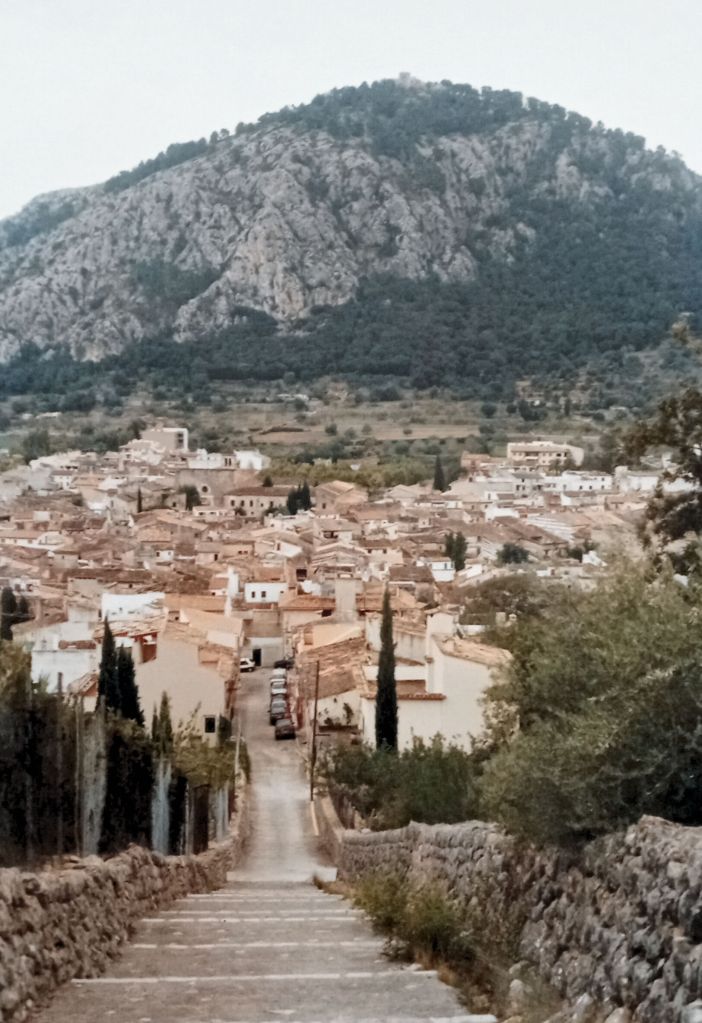
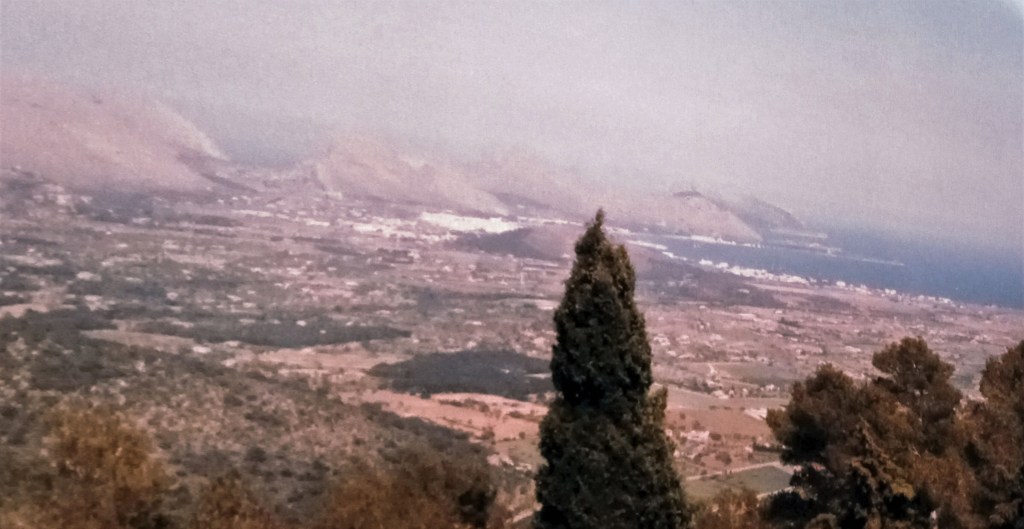
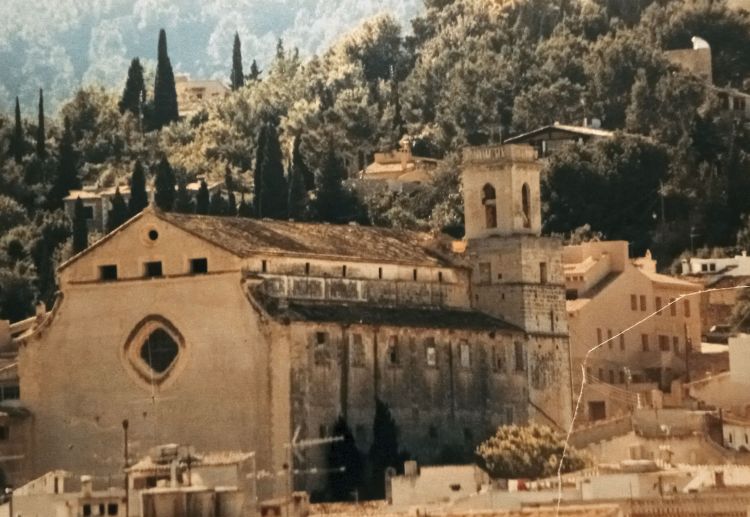
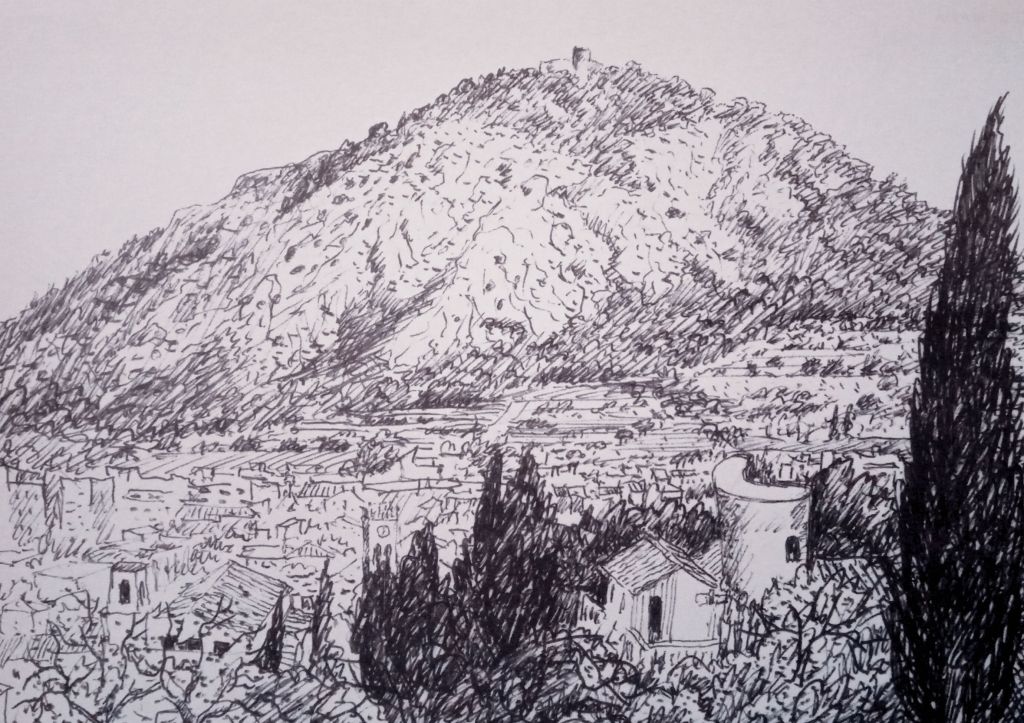
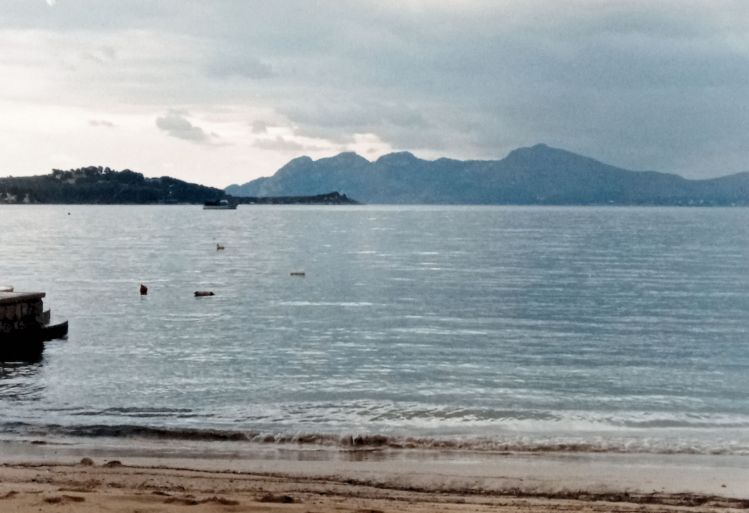
In 1994, the artist left his hometown in Scotland and moved to live and work on the island of Mallorca. He had previously made working visits and become acquainted with the rich and beautiful landscape around the towns of Sóller, Fornalutx and Deià, but it was in the north of the island, in the then tranquil town of Pollença, where he chose to base himself. He was also drawn to the wide open space of the nearby port, which was at that time, a far cry from the tourist trap it is today. Being close to the Mediterranean and rugged coastline which runs along to Formentor, it was the perfect location for him to work.
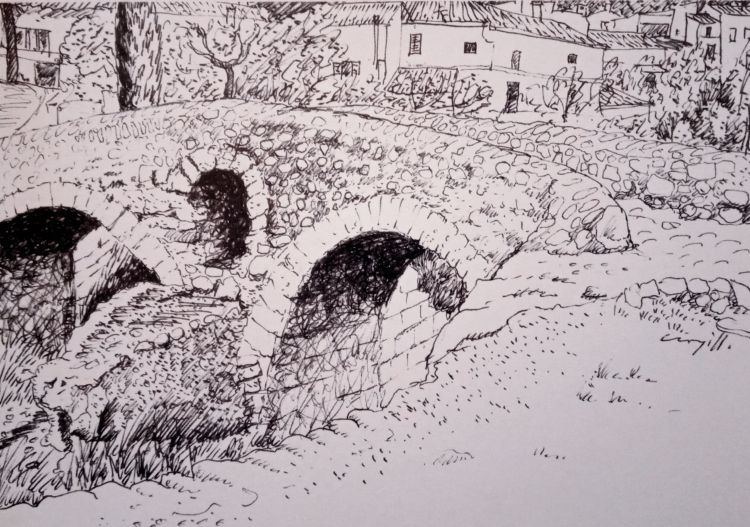
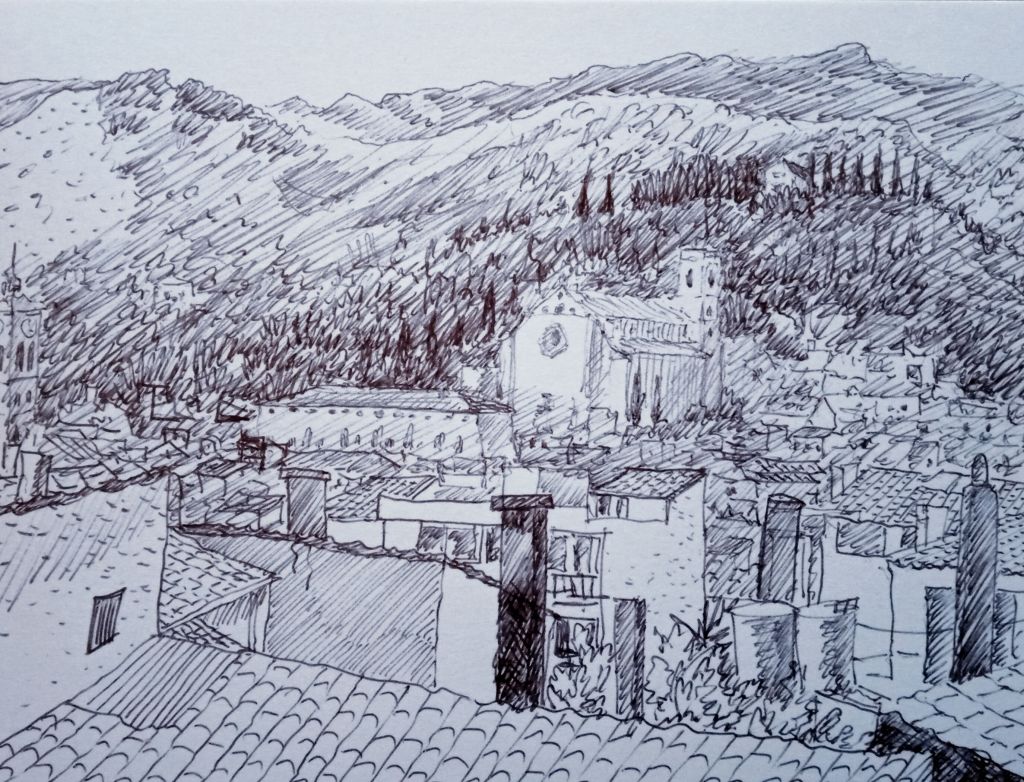
In the 1970s, the artist had become friends with the late Scottish poet and author, Alastair Reid. Reid had stayed and worked for some time in Deià with Robert Graves and had bought a house on the island. His descriptions of the land and seascape had intrigued the artist, and at one point there was talk of a visit which sadly never came to be. Years later in the opening paragraph of ‘Digging Up Scotland’, Reid described Cargill’s strong connection to his native area and how it seemed that he would never leave. However, in the later years of the artist’s life it was not to be so. Tired of the apparent limitations of his homeland and other mounting pressures, he wanted to explore new territory and move to a new environment.
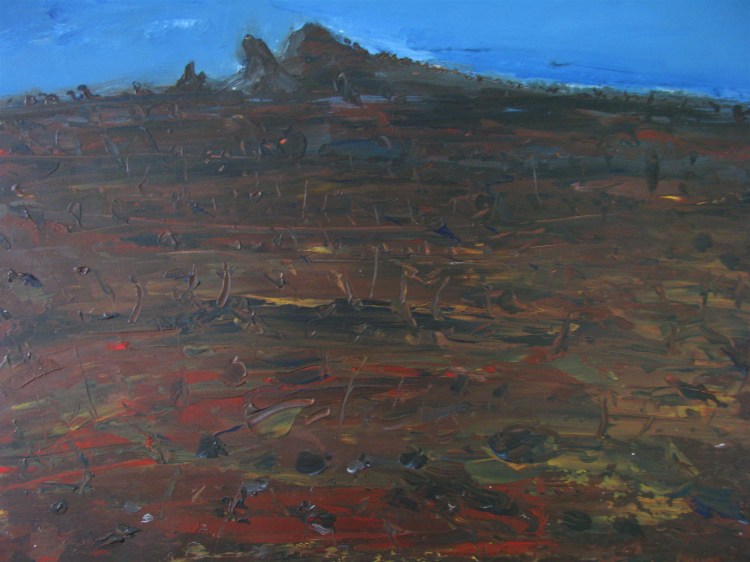
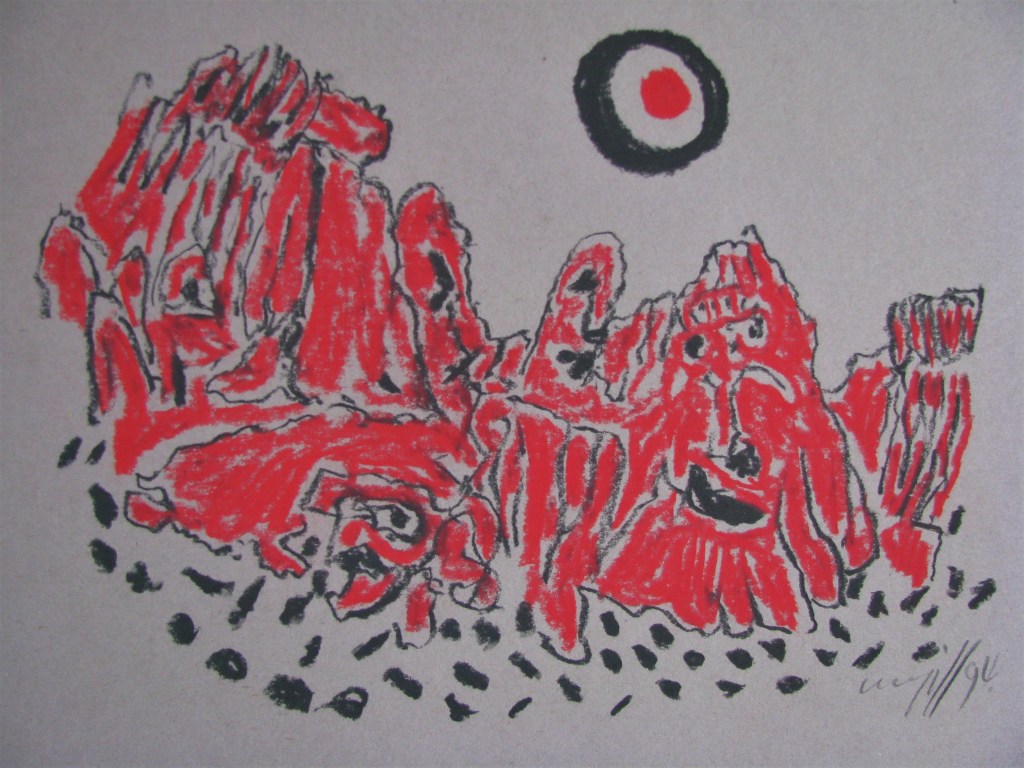
The colours and landscape of Mallorca, the coastline, and connection to the sea all influenced the artist’s work just as the area where he had been born and brought up in had. He was also fascinated by the folklore and customs which are integral to the way of life there. Miró and Tàpies continued to influence, as did the work of Antonio Saura, and Miquel Barceló. During his time there, he created and exhibited a large body of work, before returning to Scotland in 2001.
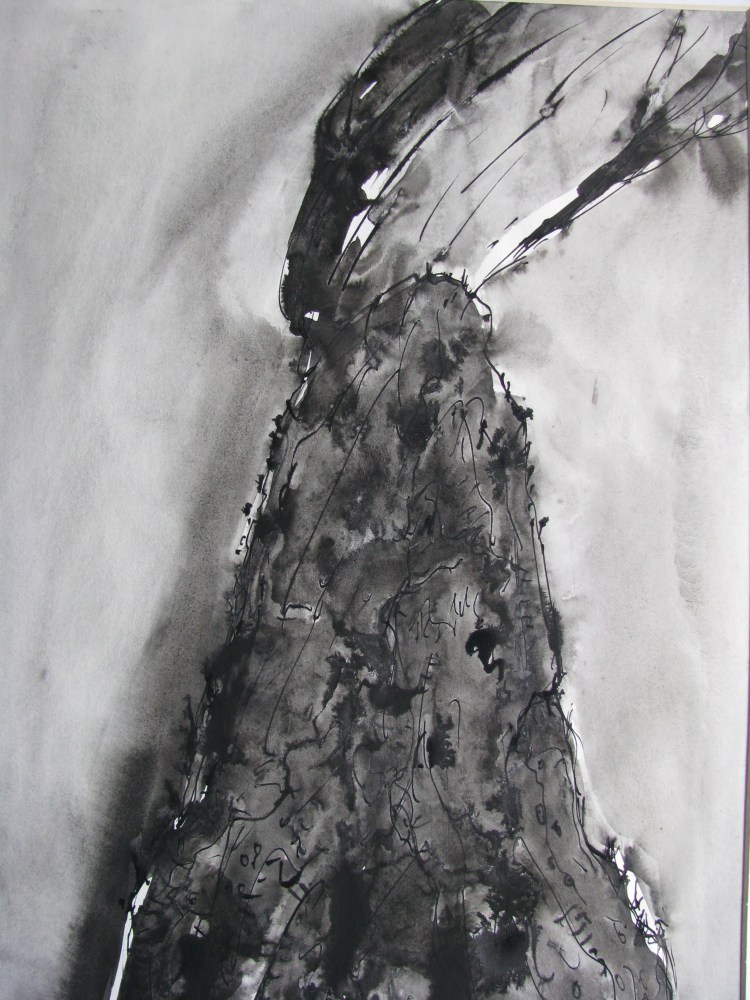
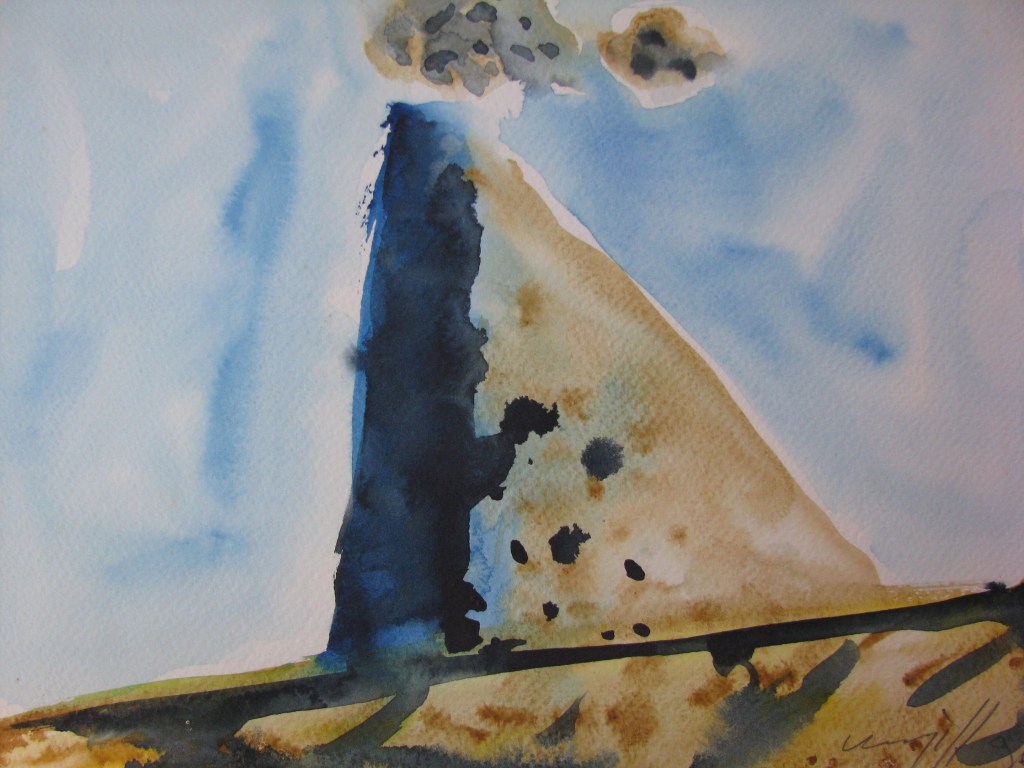
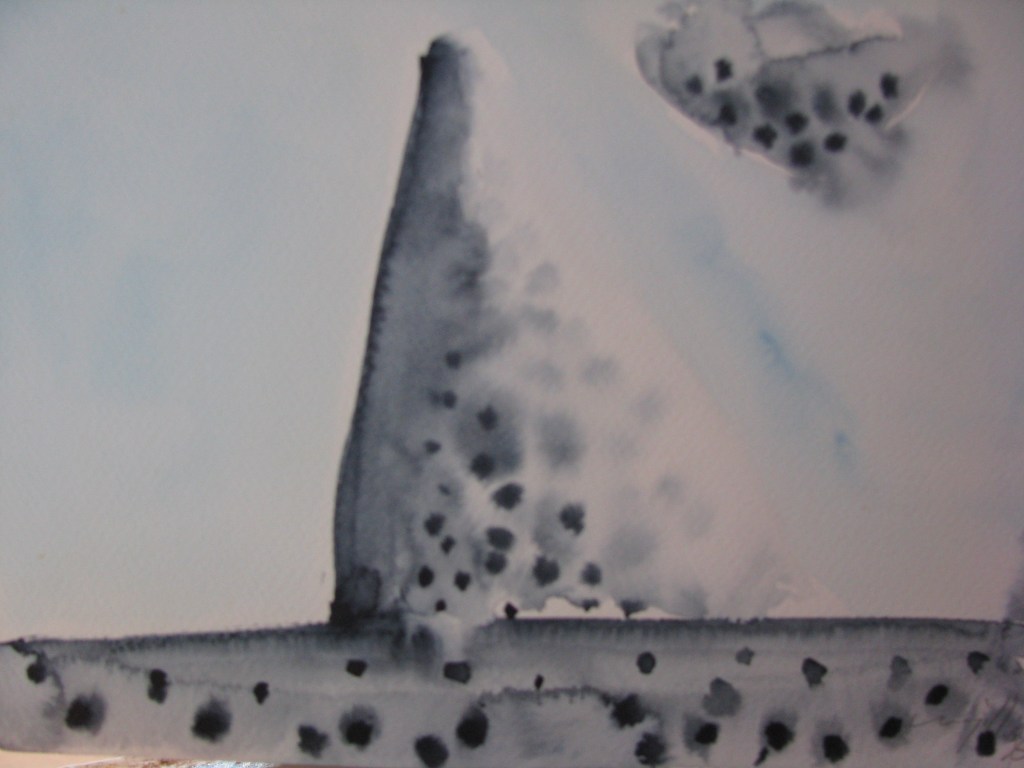
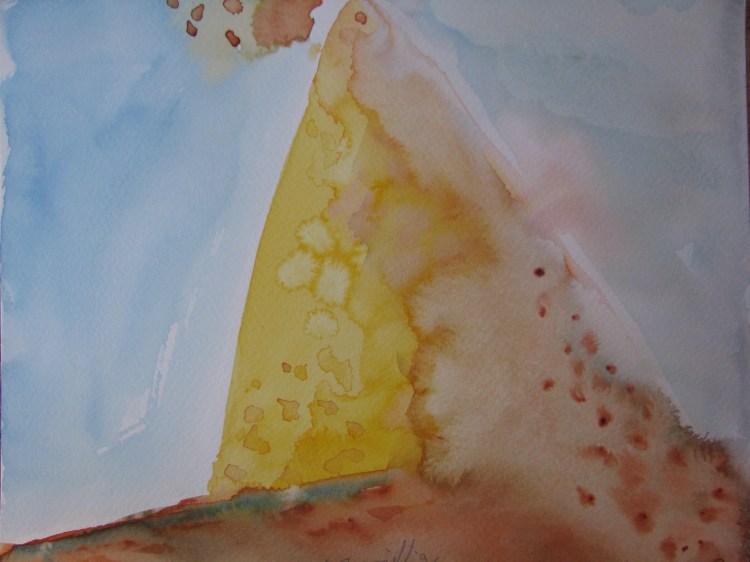
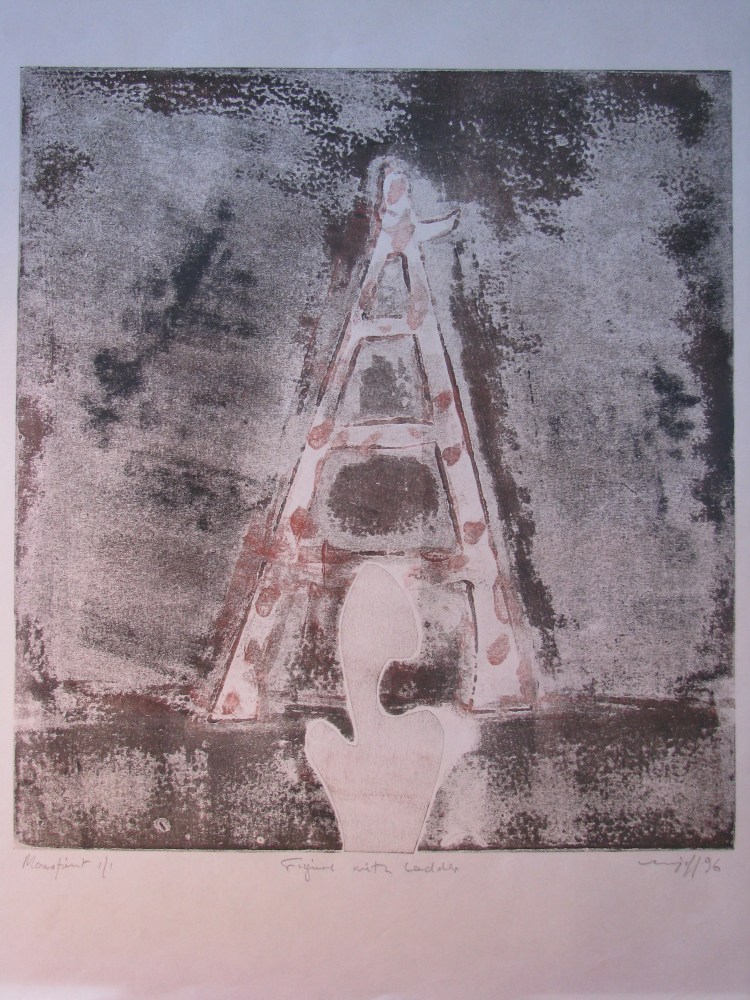
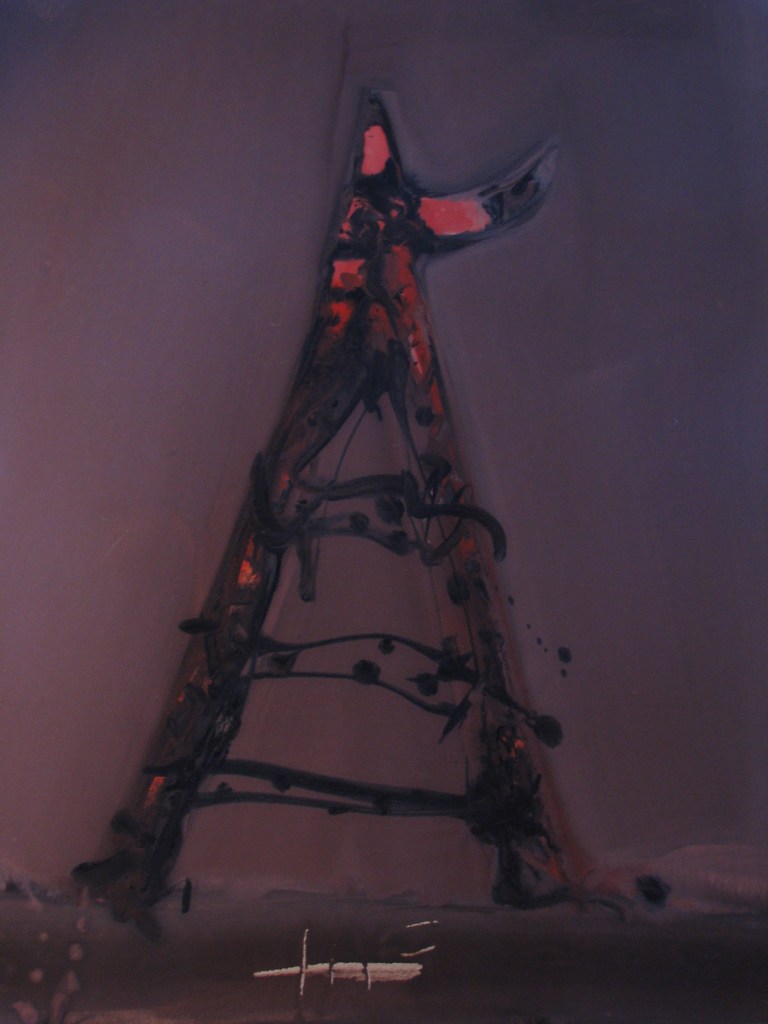
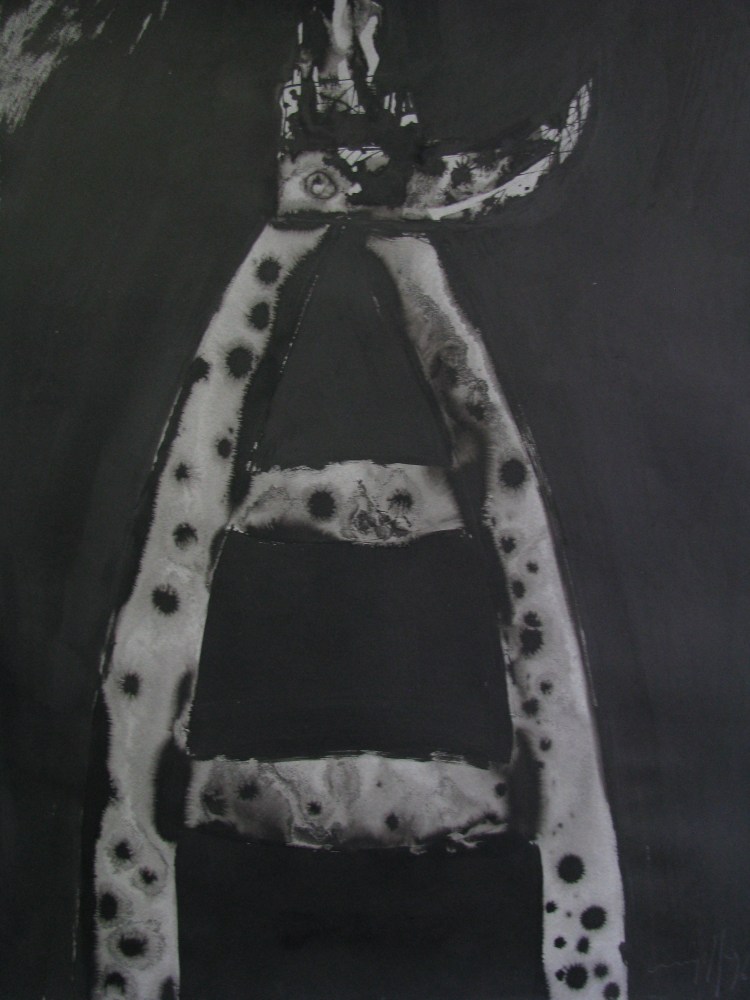
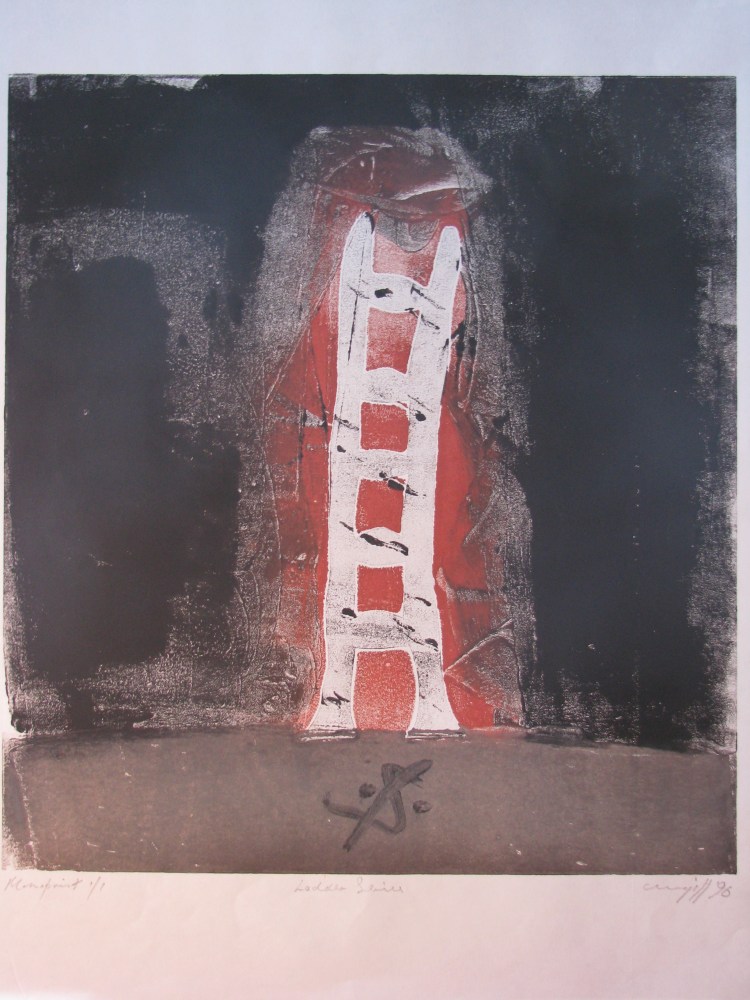
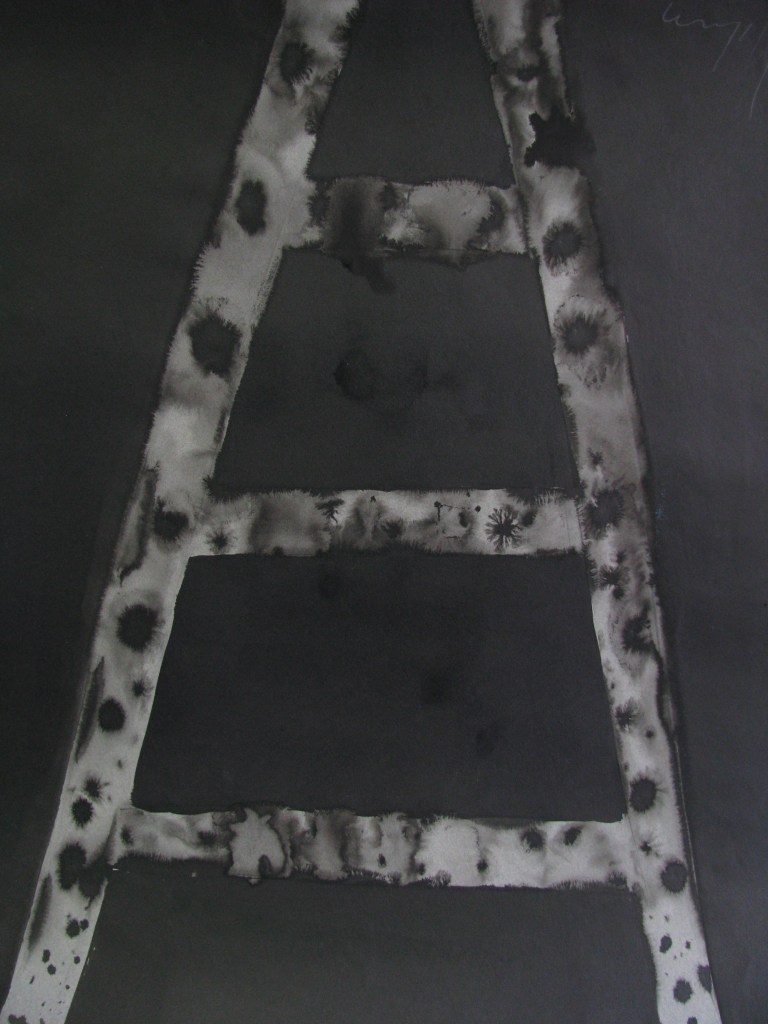
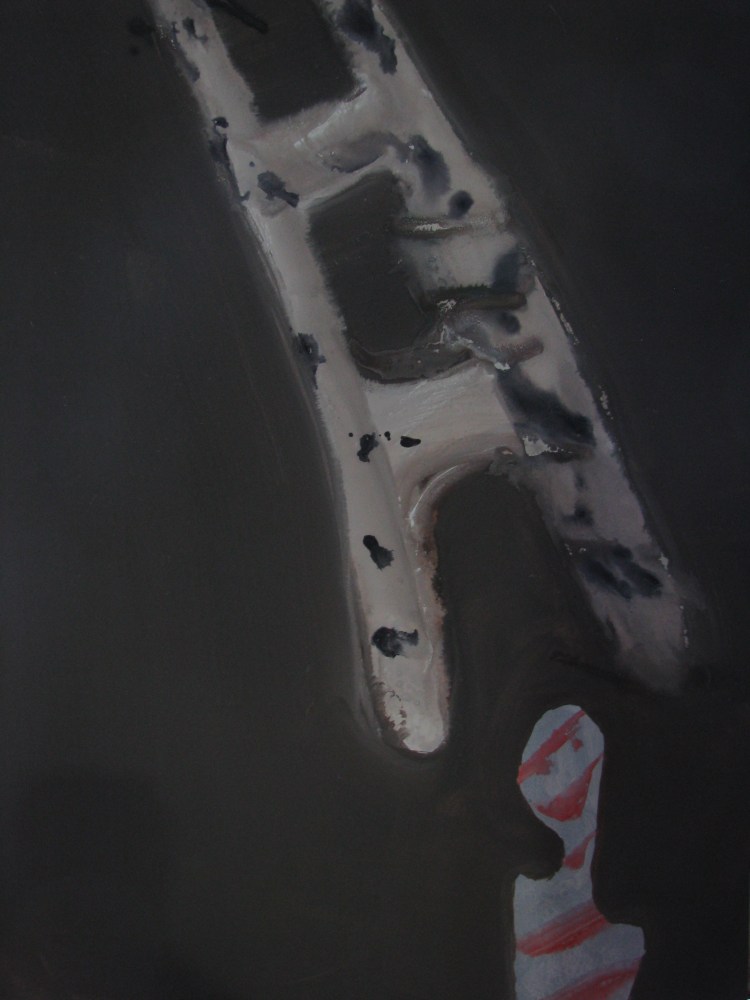
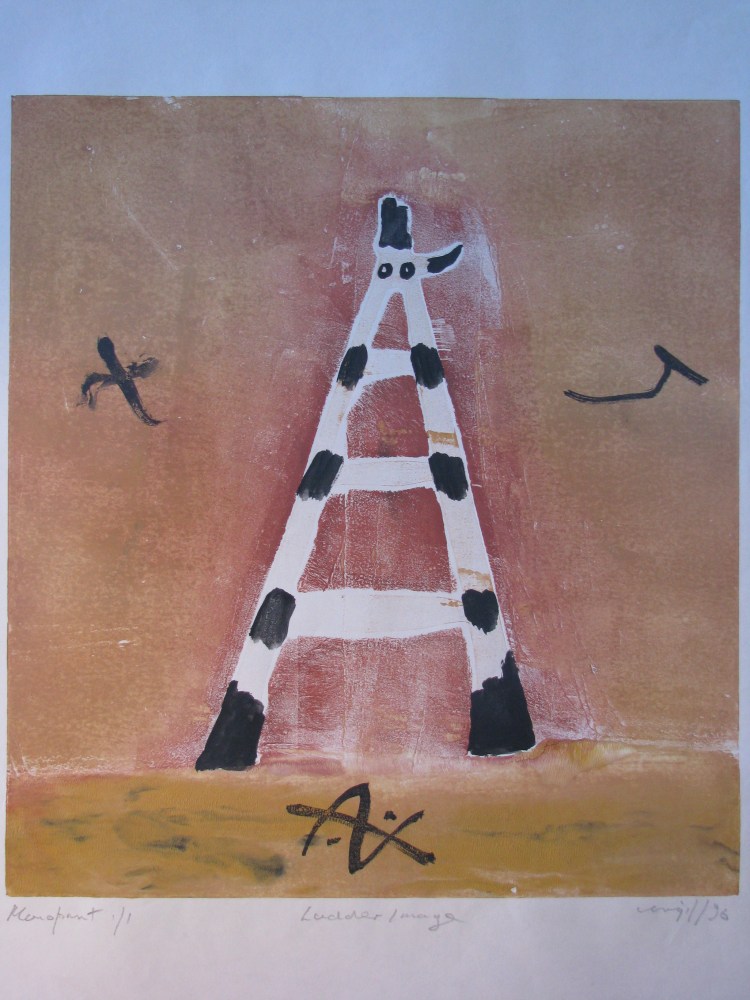
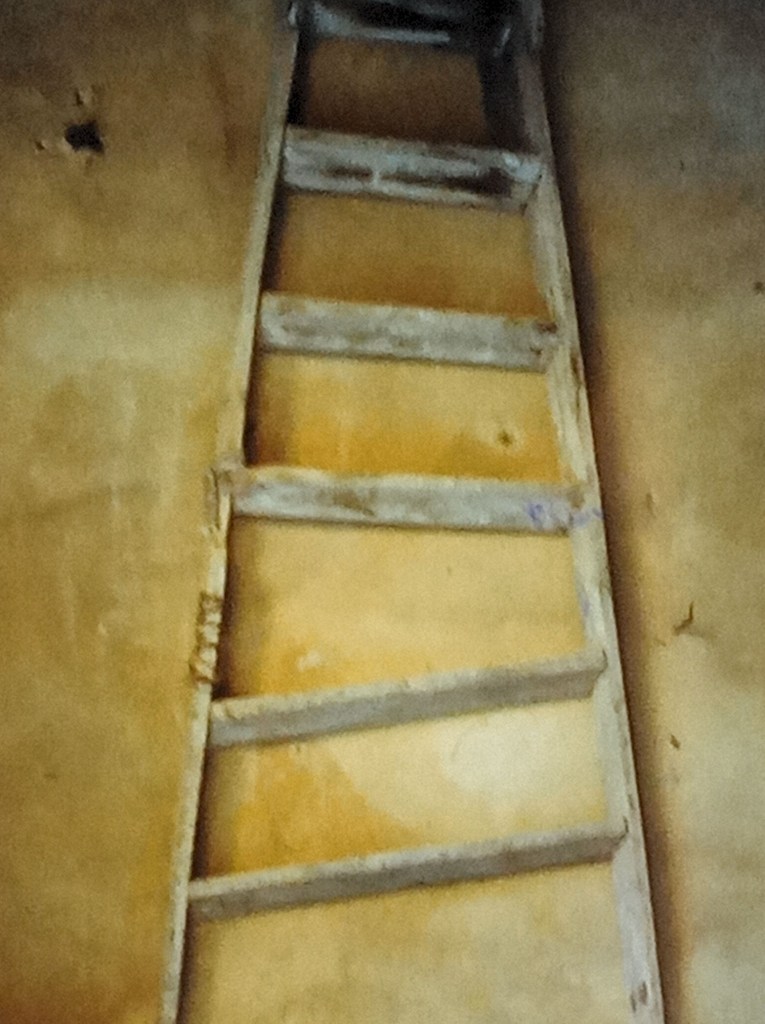
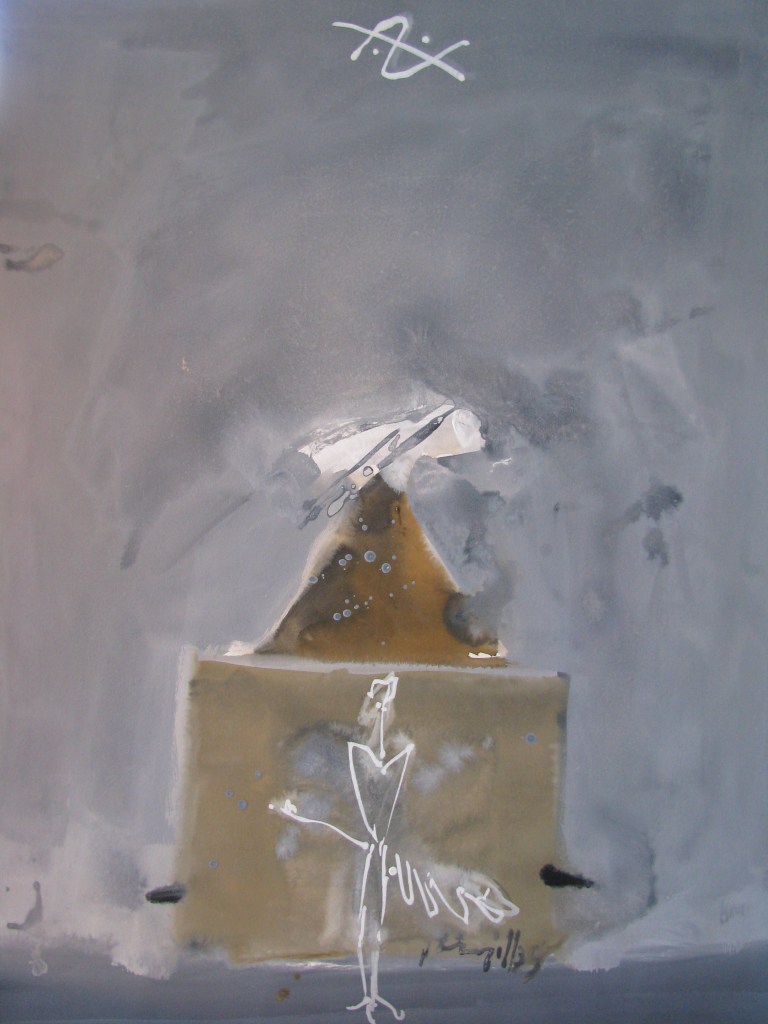
‘When I first came to live and work on this island I dealt with mountain images that somehow or other made me deal with ladders as people tend to use these two images to consider how high they think they are regarding their position in the way of things. The local ladders are triangular and have a projecting arm or horn at the top and depending on their construction can take on almost human or animal characteristics.
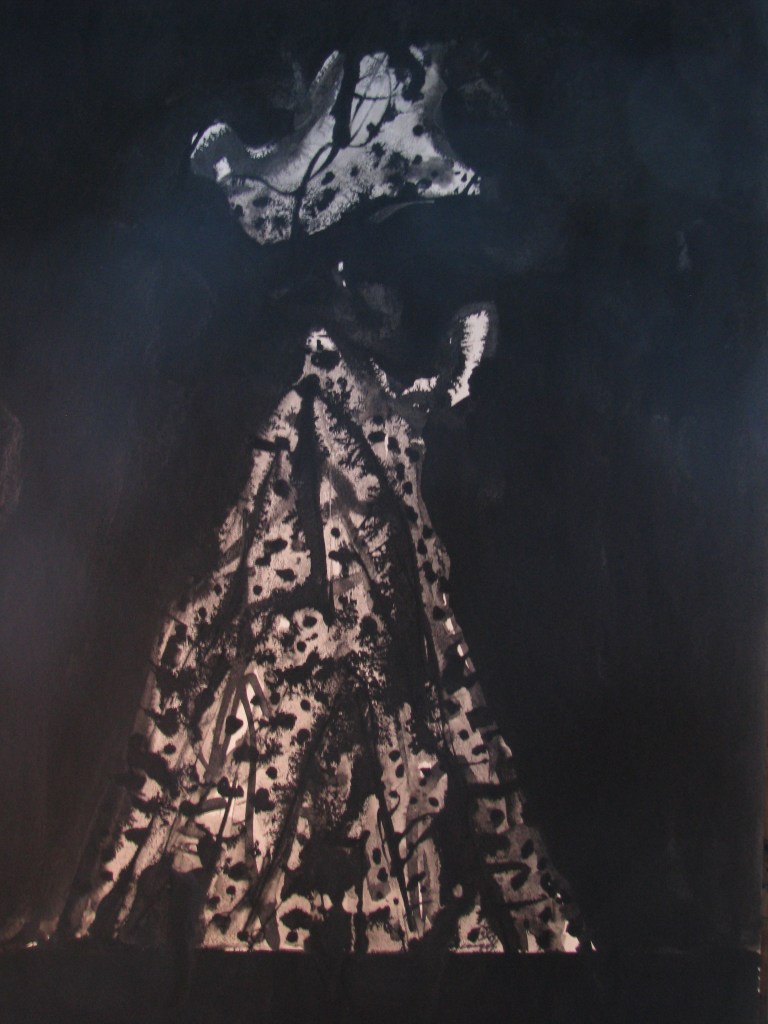
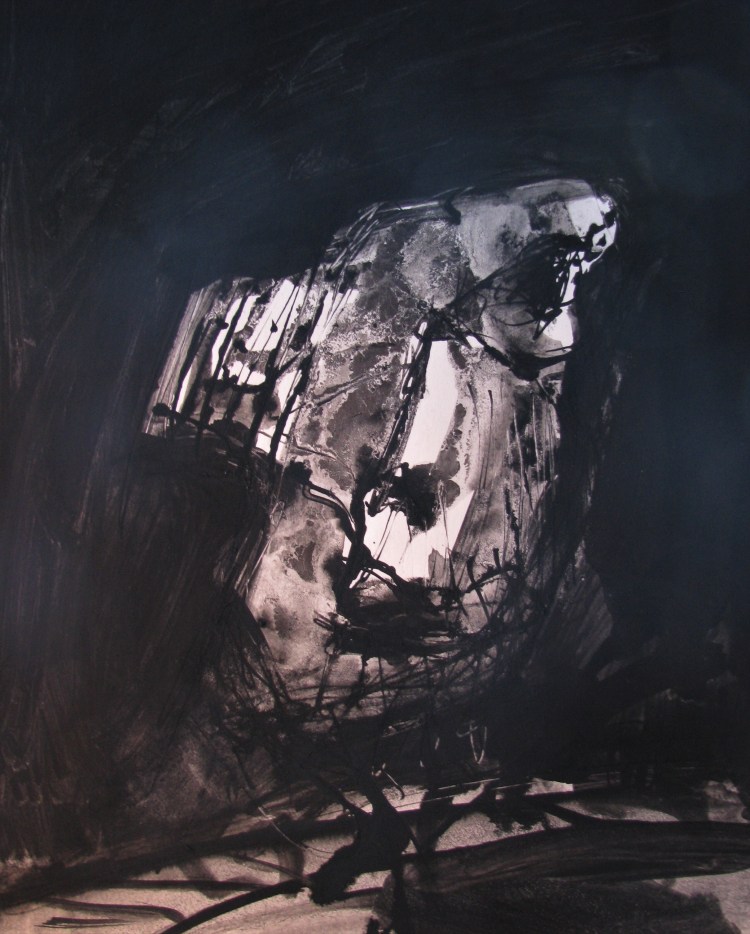
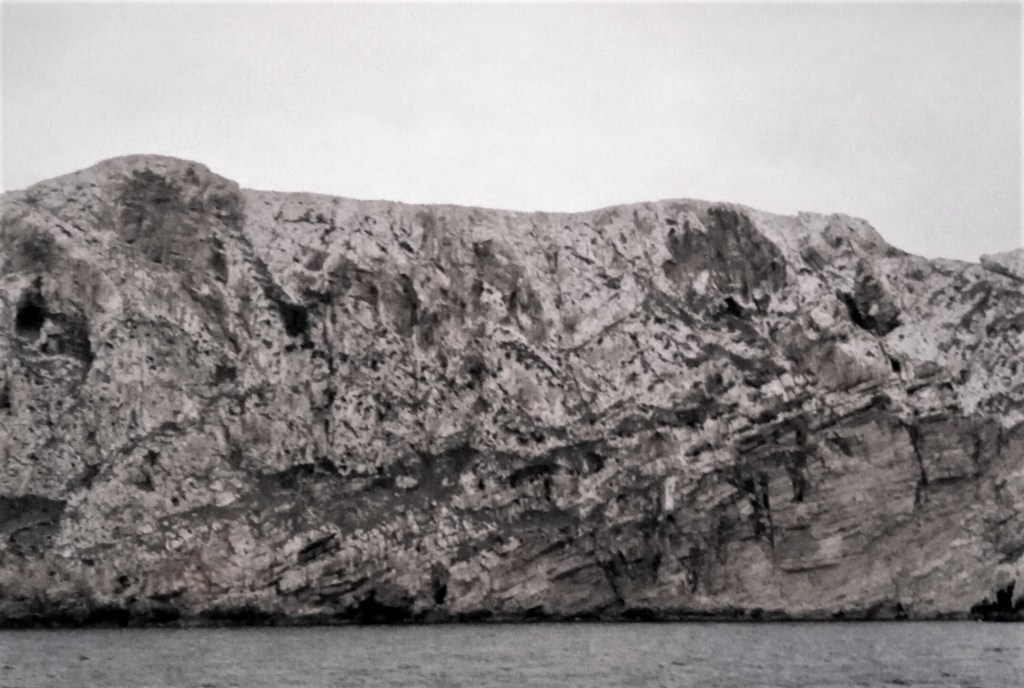
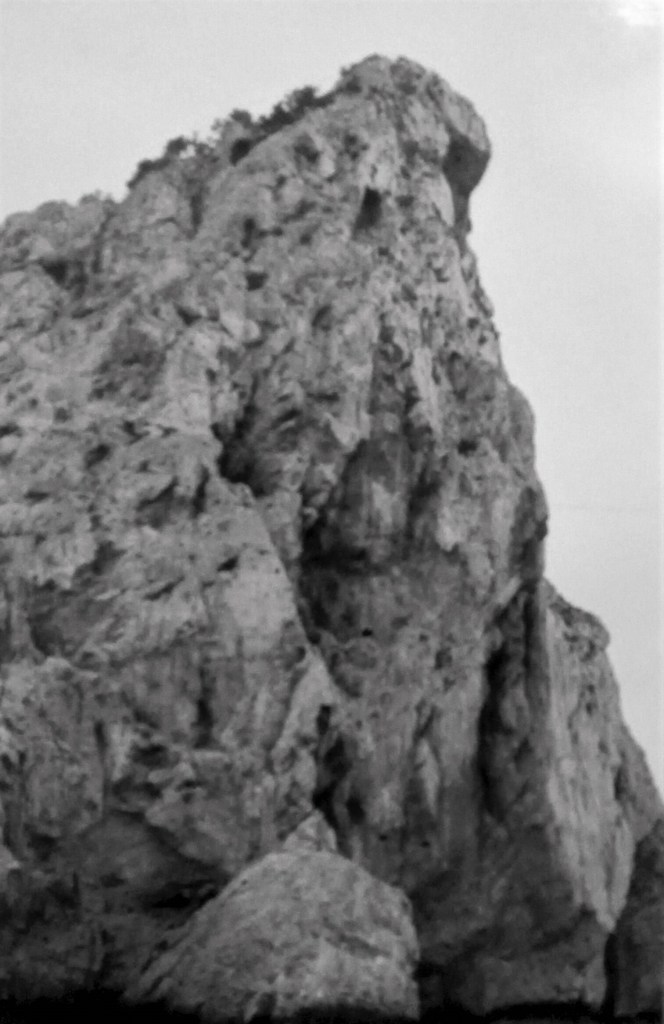
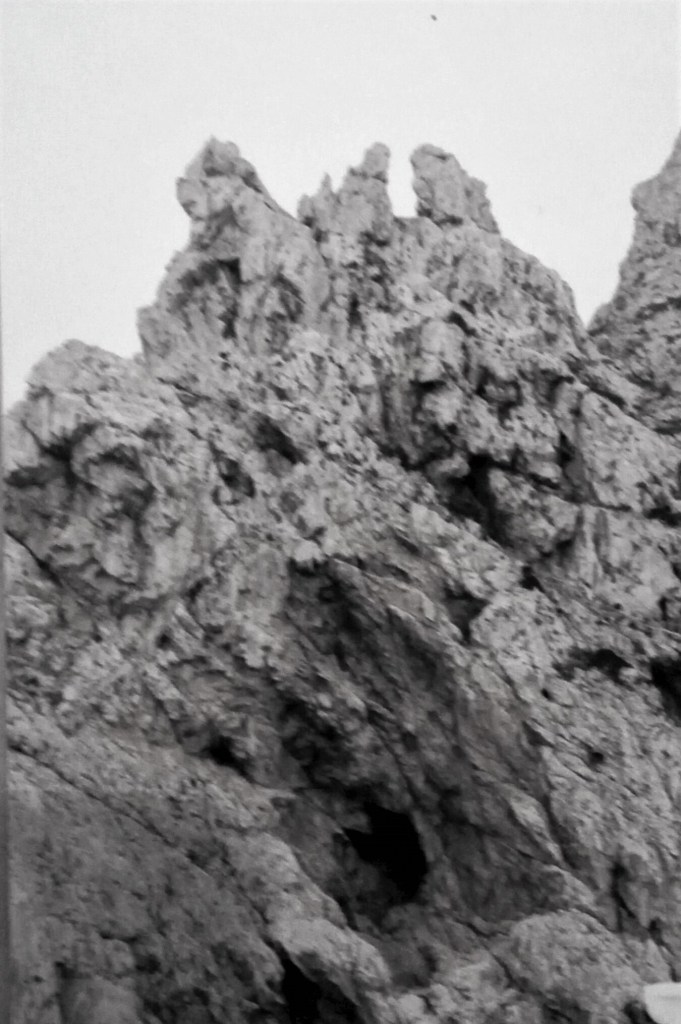
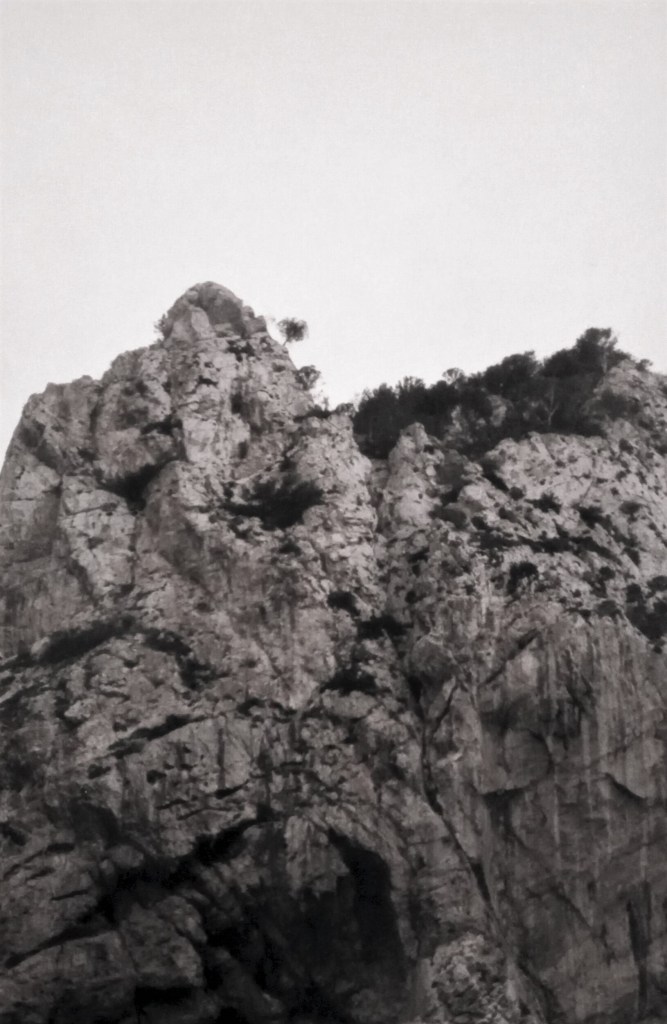
An annual ancient ritual influenced the series of bird dancers, as the two dancers dressed in the costume of birds, look like being in a state of metamorphosis, half human, half bird, while nature also has a way of carving out this state on the cliffs of Formentor and Torrent de Pareis. Small islands became my ‘sentinels’, another long series but the longest series is ‘Source’ which began with the image of a lake among mountains that extended the thinking in many other directions’.
Statement by the artist, Mallorca, 1998.
Sentinels
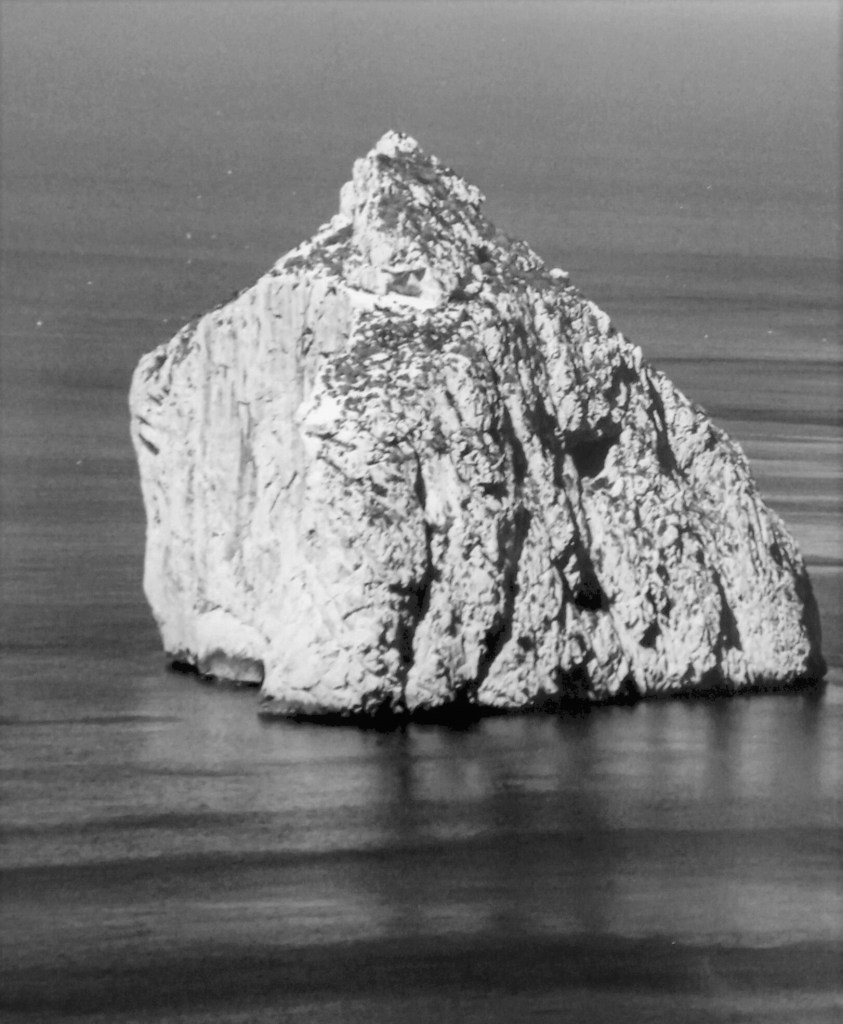
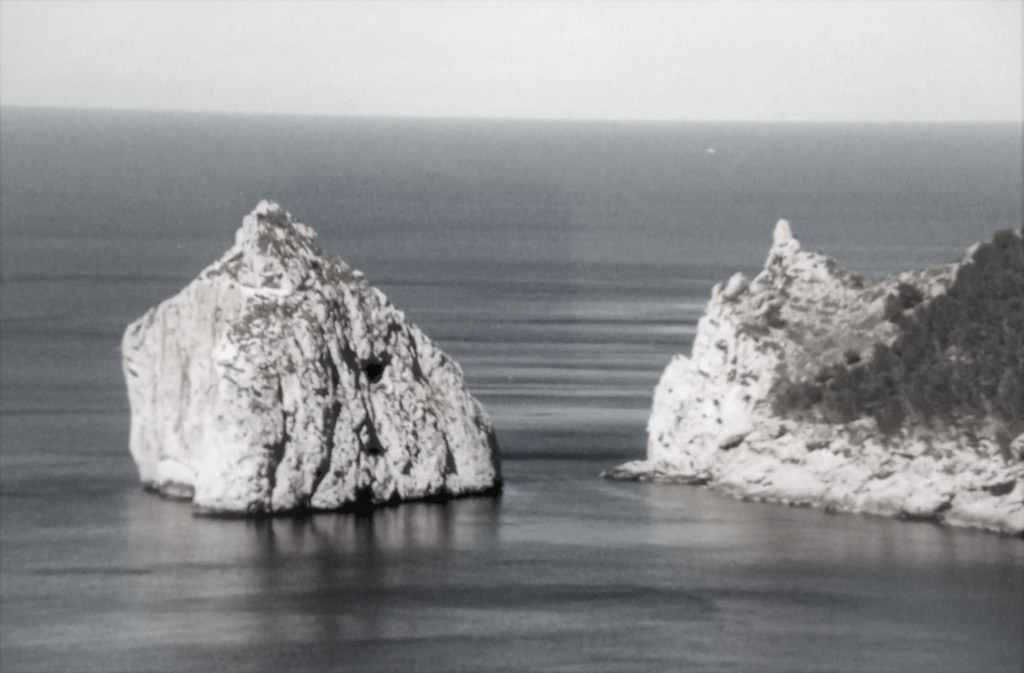
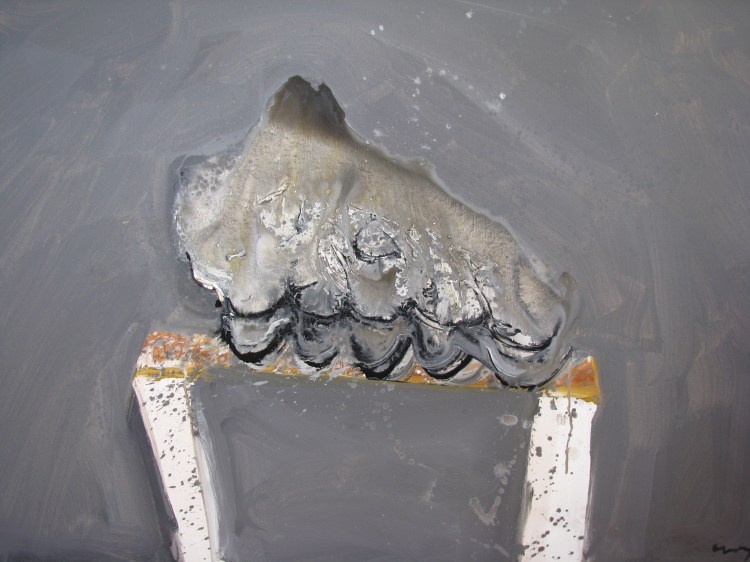
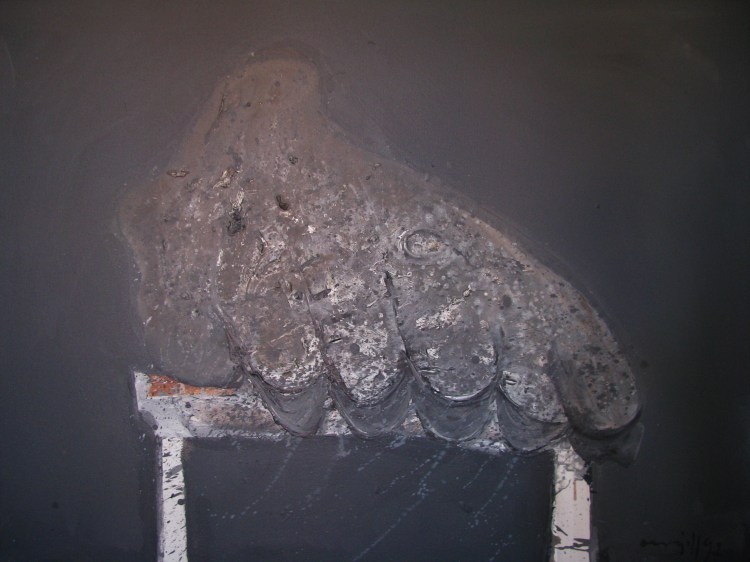
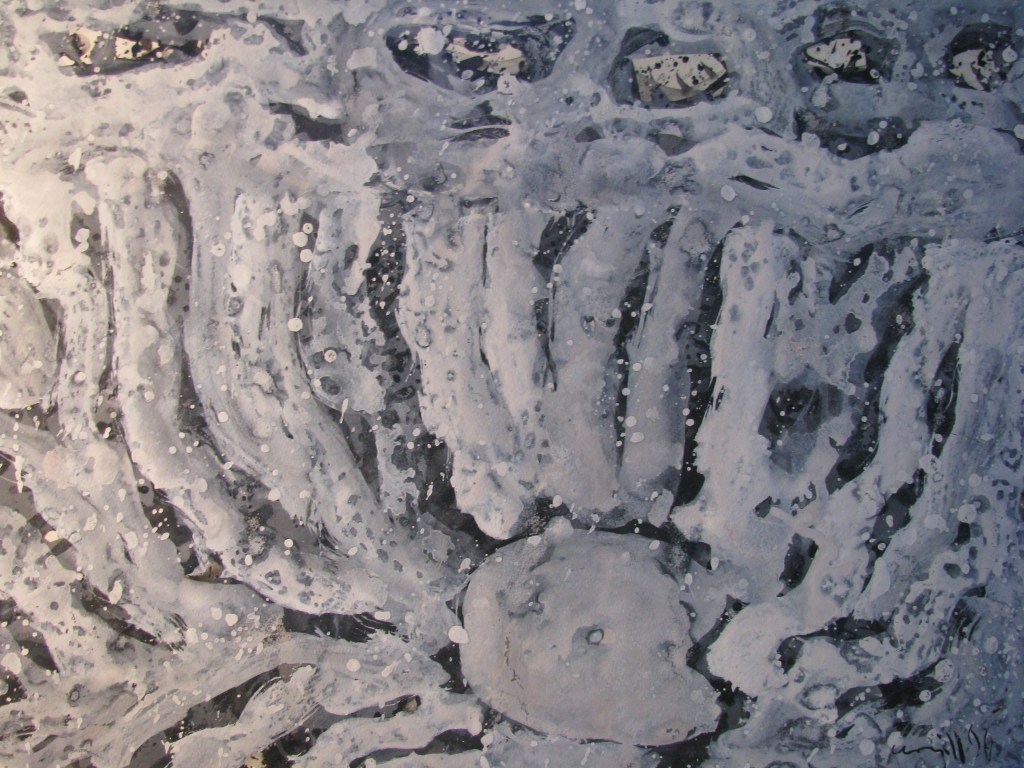
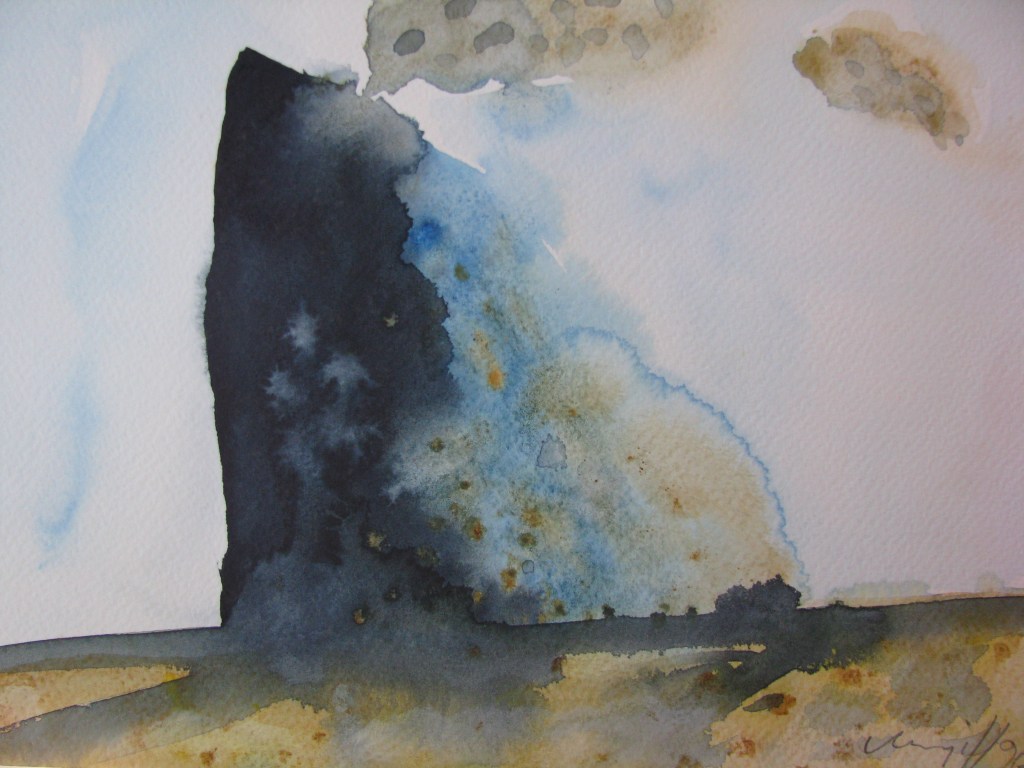
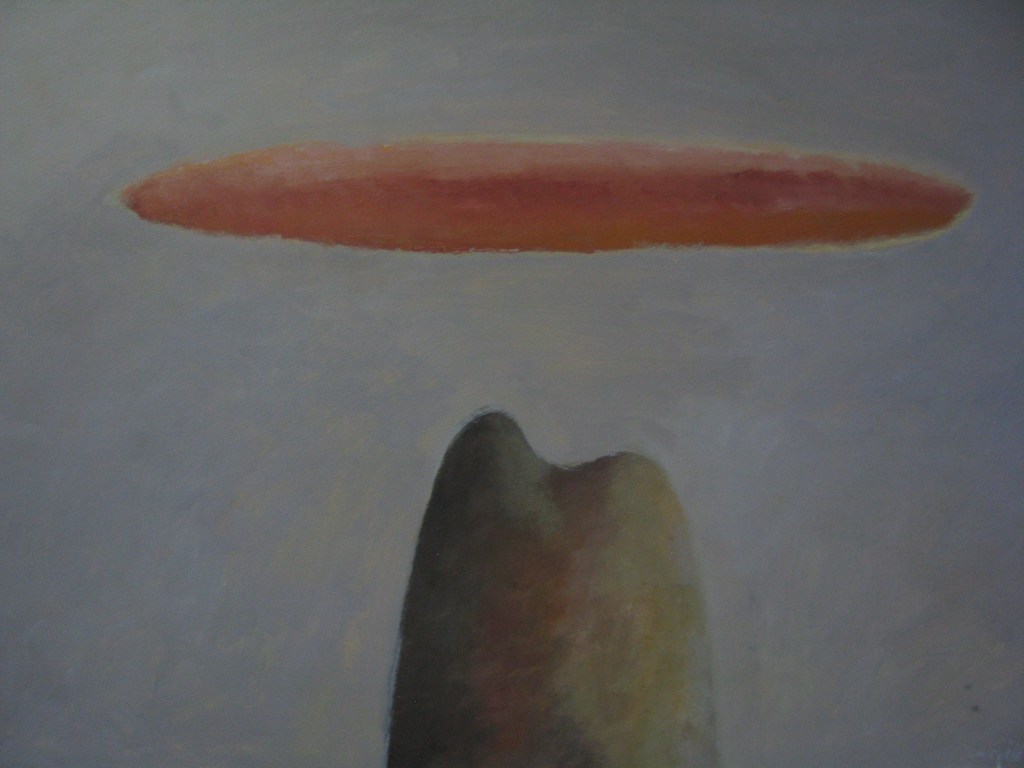
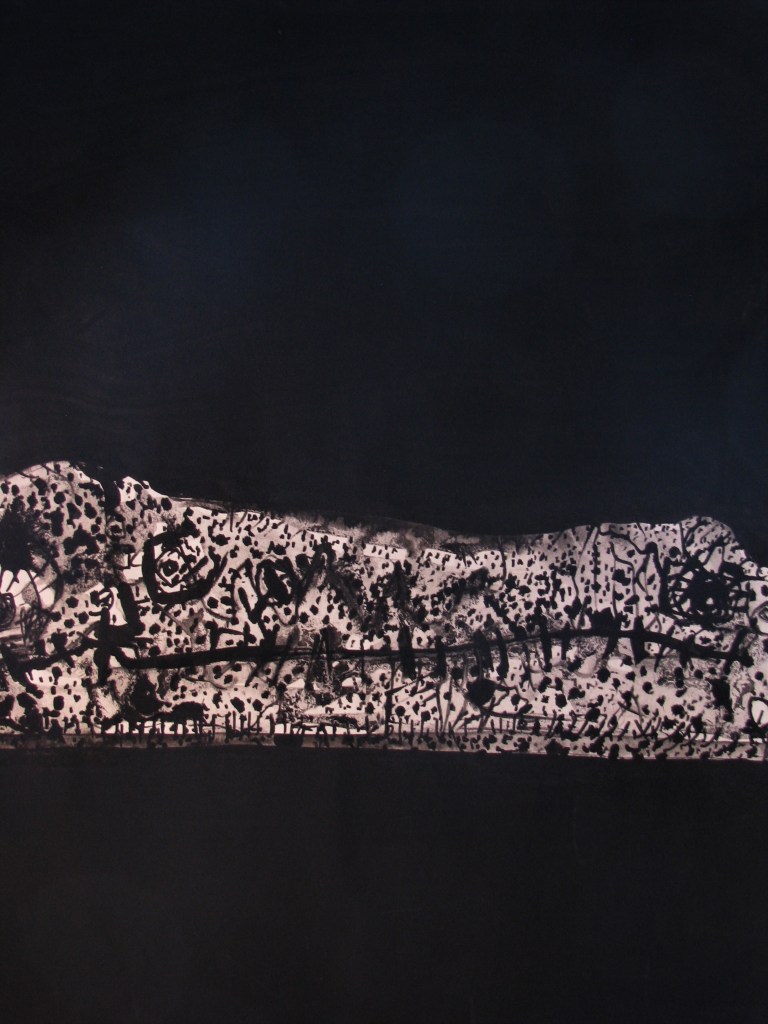
‘The thinking was on those large rocks, or small islands, depending on your conception of them, that are all around the island. They all have their own visual characteristics and sit like silent onlookers, beyond time. This forms part of the basis for the thinking that has influenced various series collectively forming a consideration of time. One island in particular, El Colomer which sits off the coast on the way to Formentor, is significant in this series and took on various forms in situations in the work even to the extent of being uprooted from out of the sea and placed on a kind of table for a silent dialogue of questioning between viewer and image’
Robert Cargill, 1998.
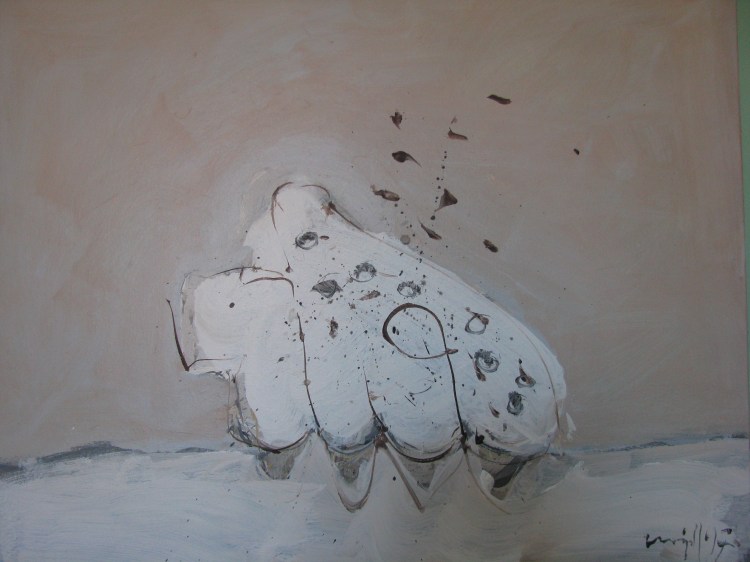
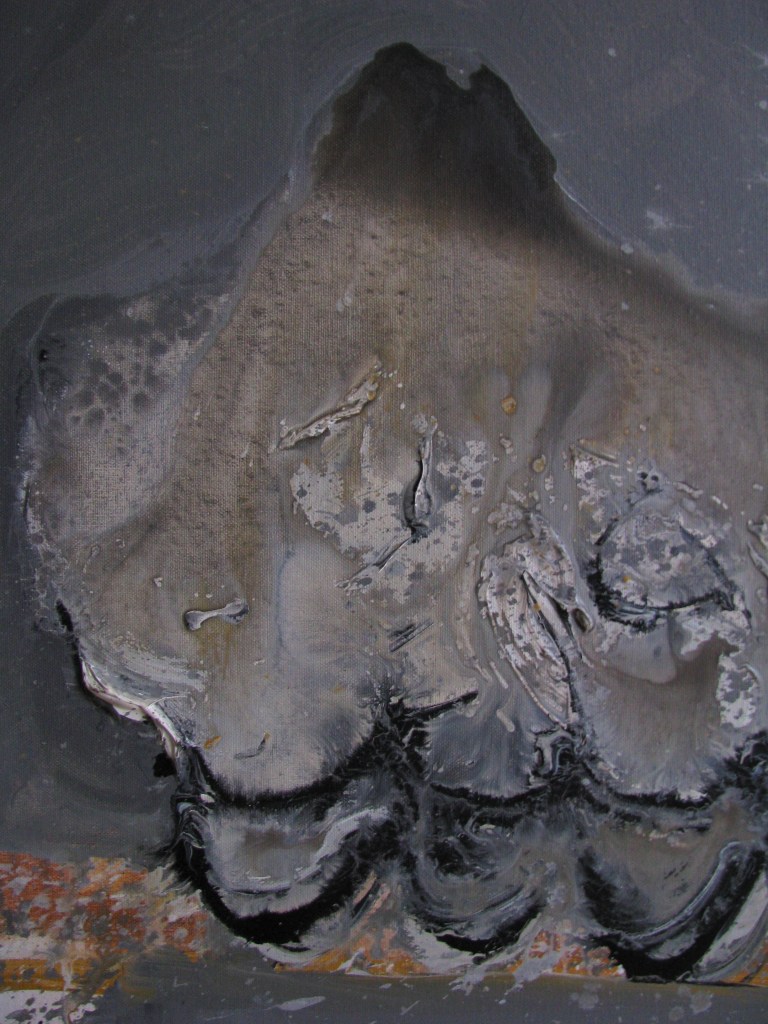
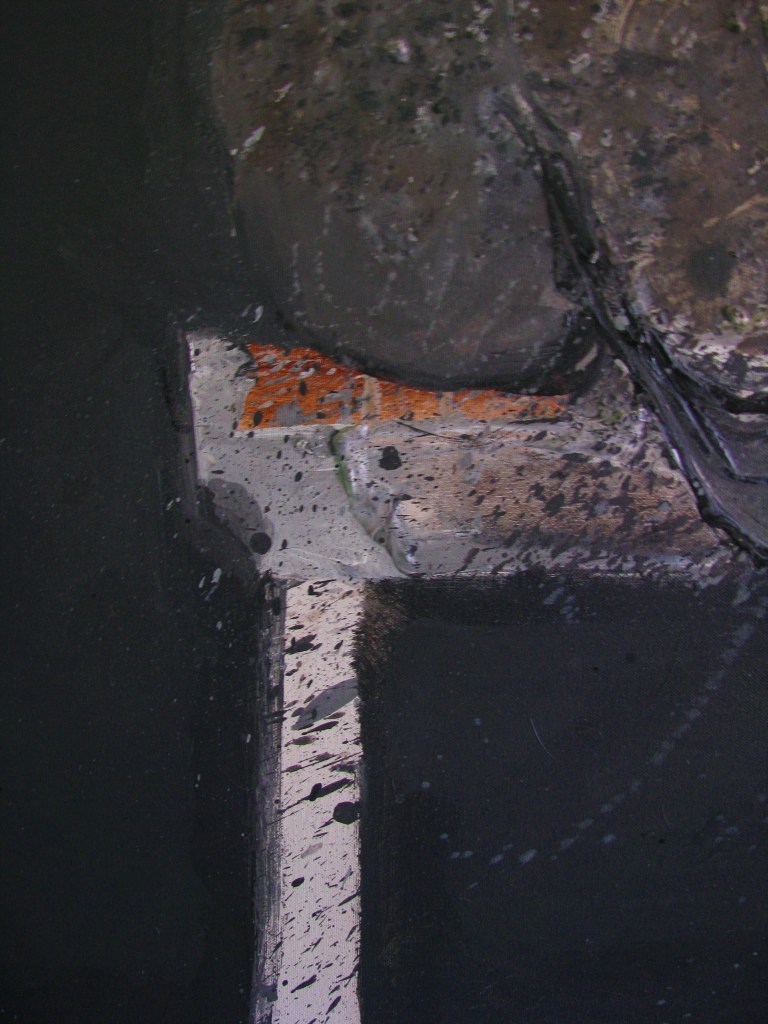
Source
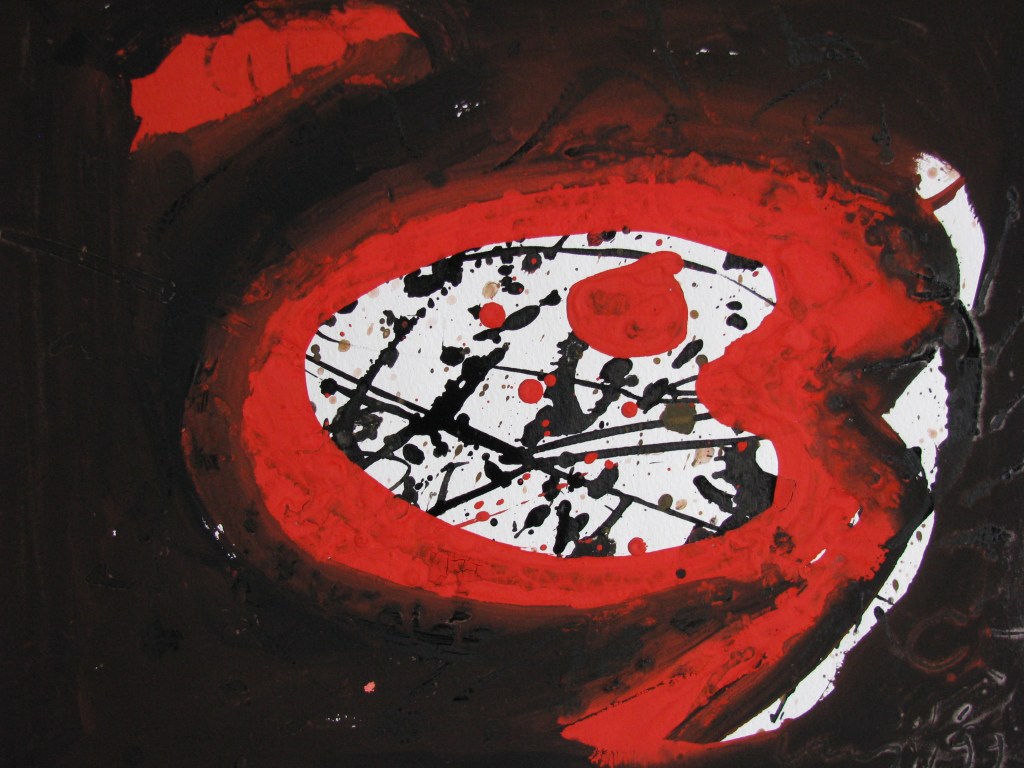
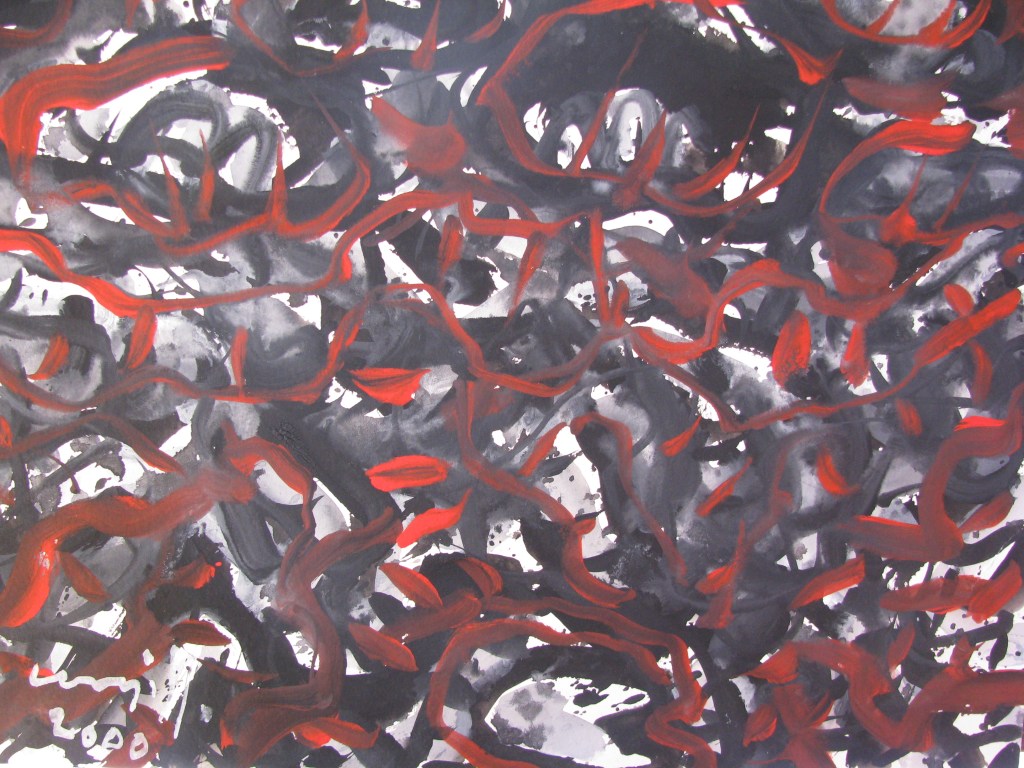
‘Source is the longest series that has come about so far and its implications are almost or in fact endless. The motivation began from seeing the lake in the Torrent de Gorg Blau from a height and I liked the idea of seeing this water, which itself is a source, in the middle of a mountainous landscape.’
Robert Cargill on Source series, 1999.
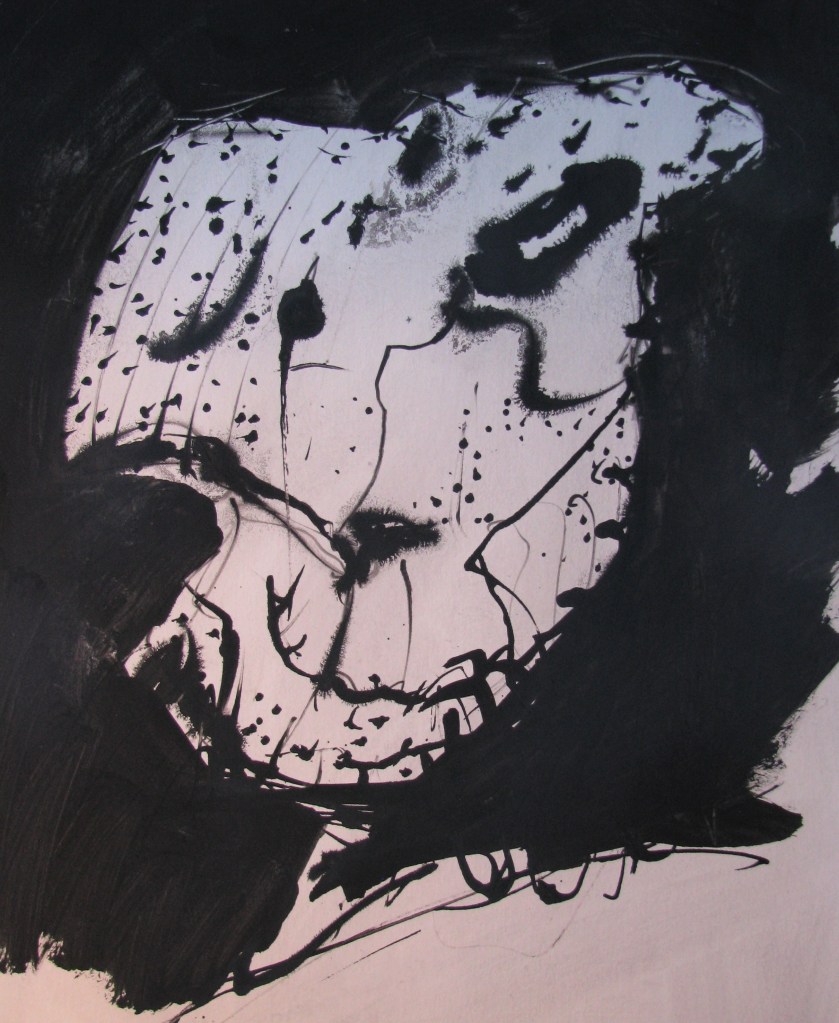
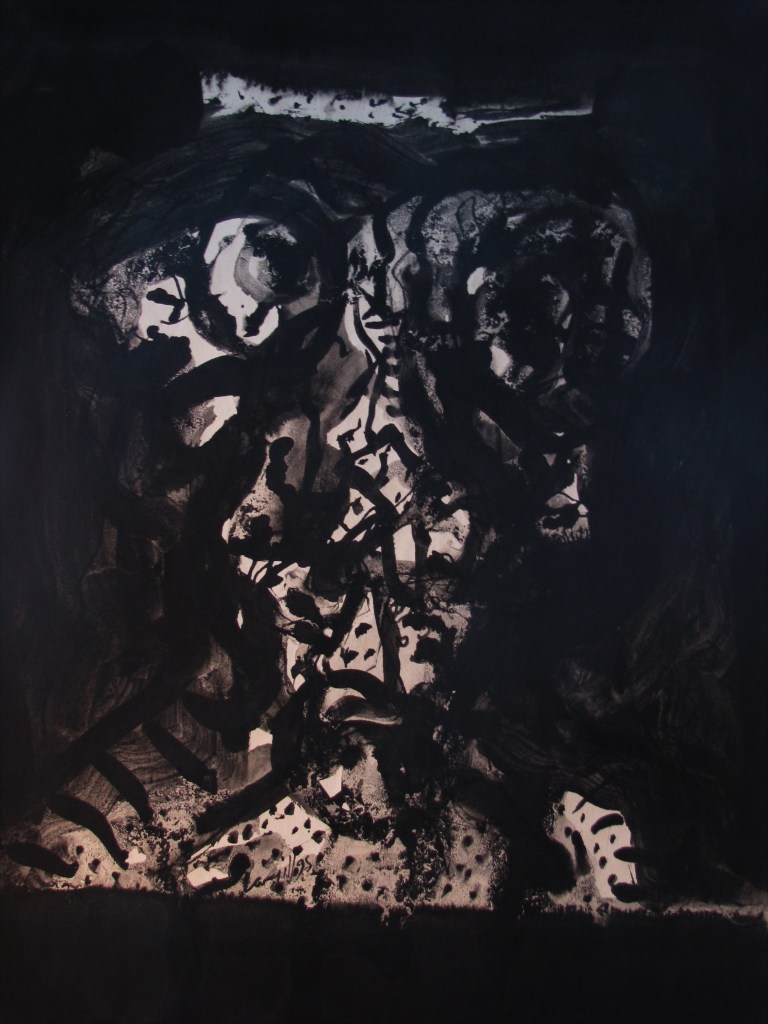
‘I was quite taken by this image of water, rock and space…then worked on gouaches of the original concept that eventually took off in other directions. The lake transformed into a palette, then a head..’
Robert Cargill on Source series, 1999.
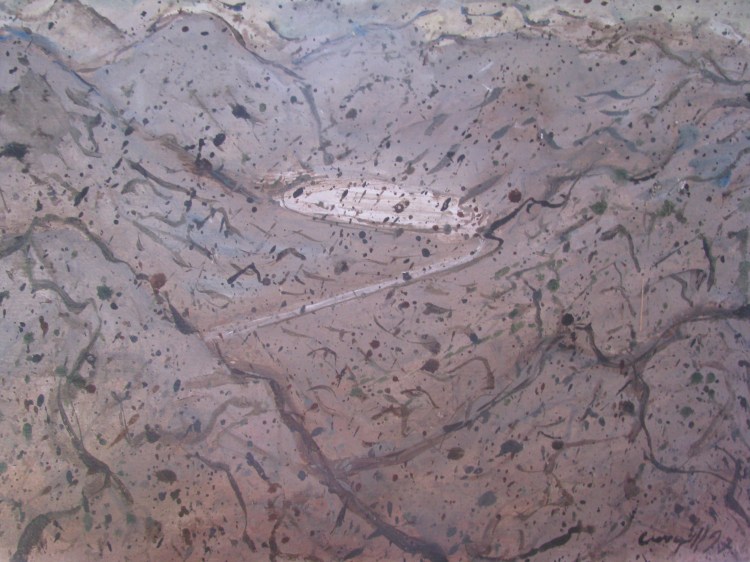
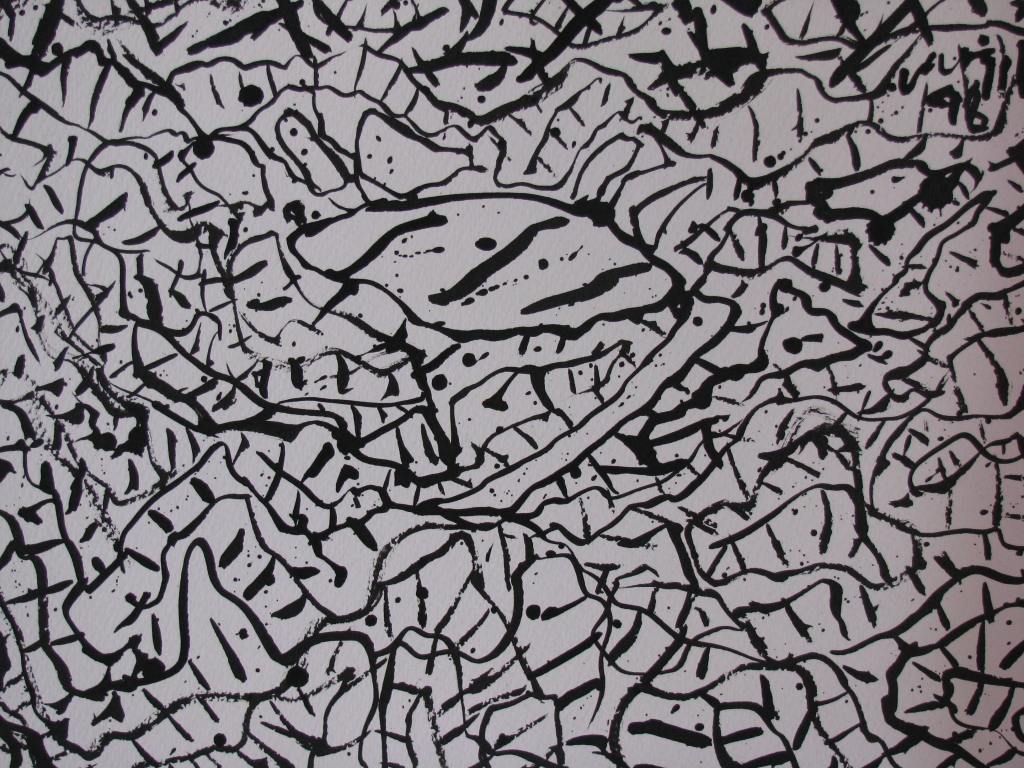
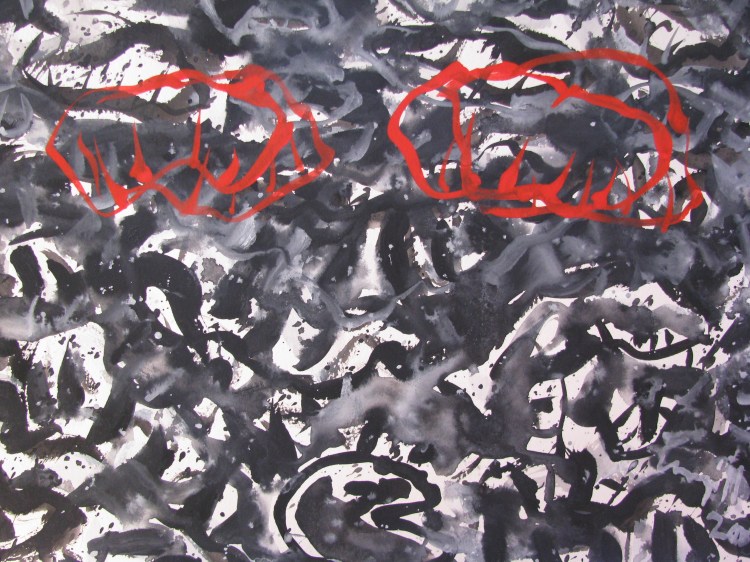
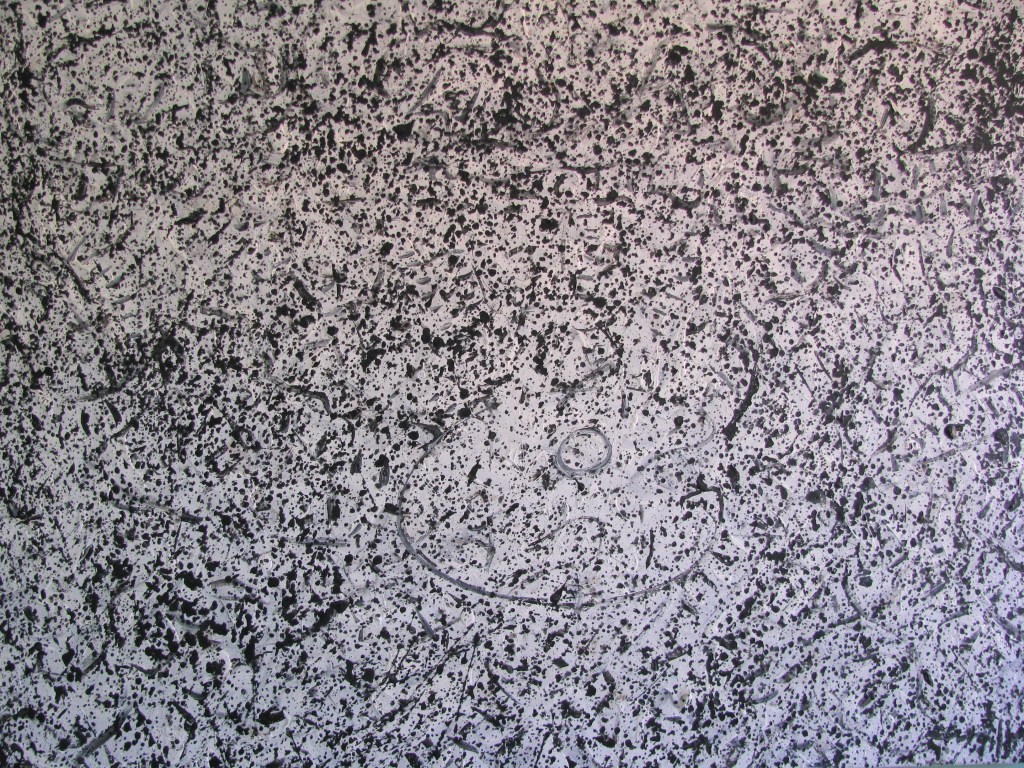
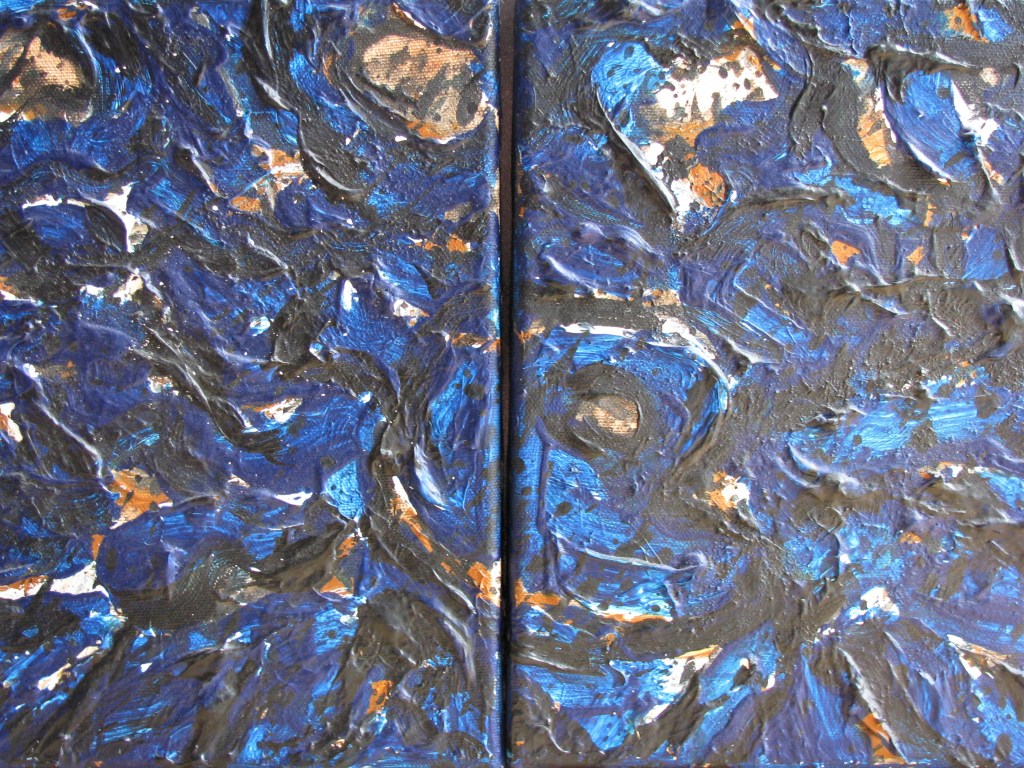
‘They had taken my attention for years even if only at a distance and I always made little drawings of them in all weathers in my notebooks even when passing in a bus going to Palma…..’
Robert Cargill on Alaró series, Mallorca,1998.
Alaró Mountains
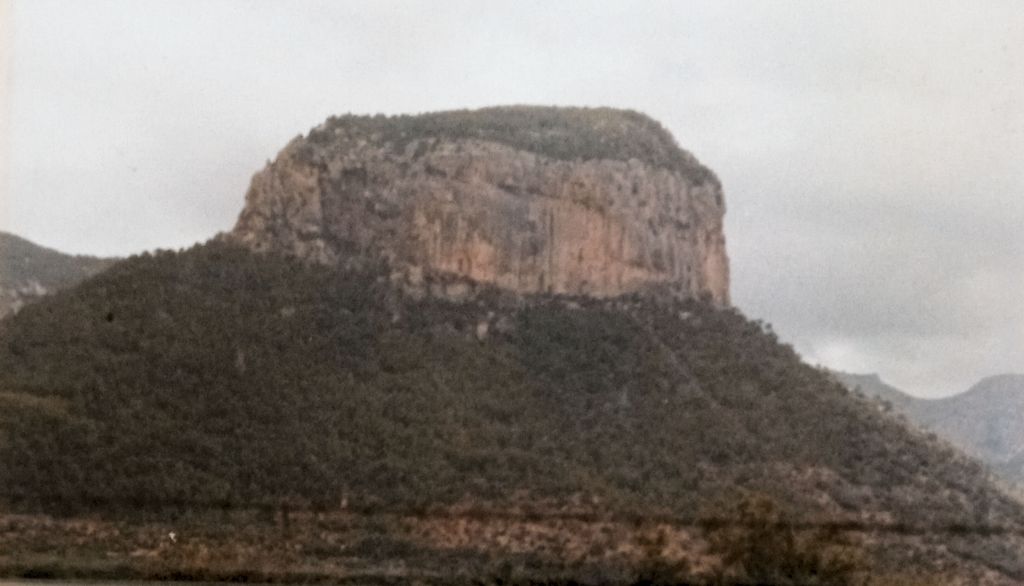
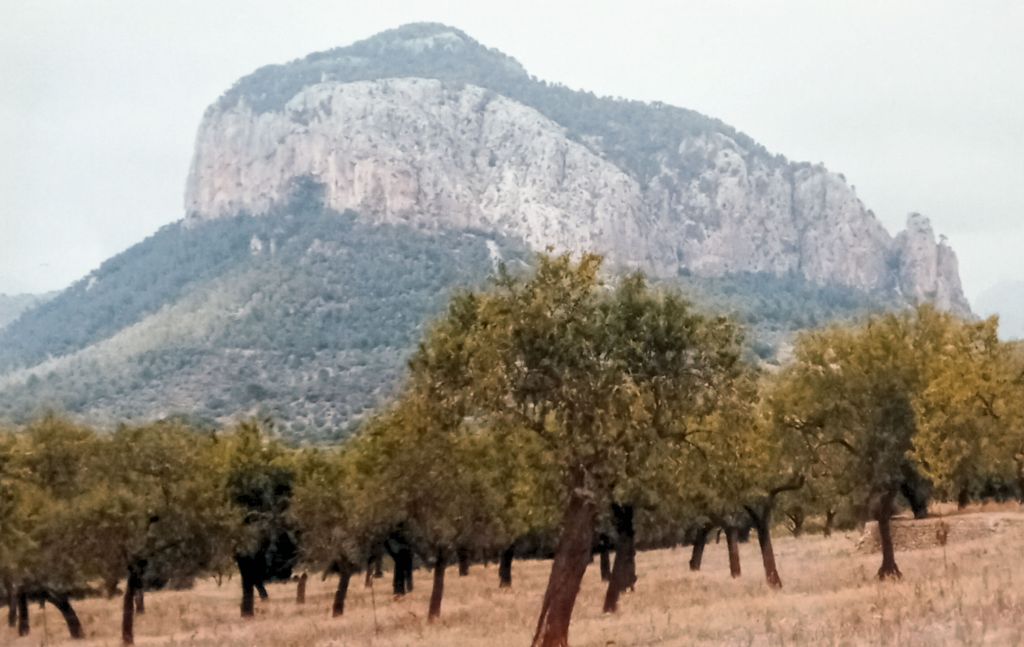
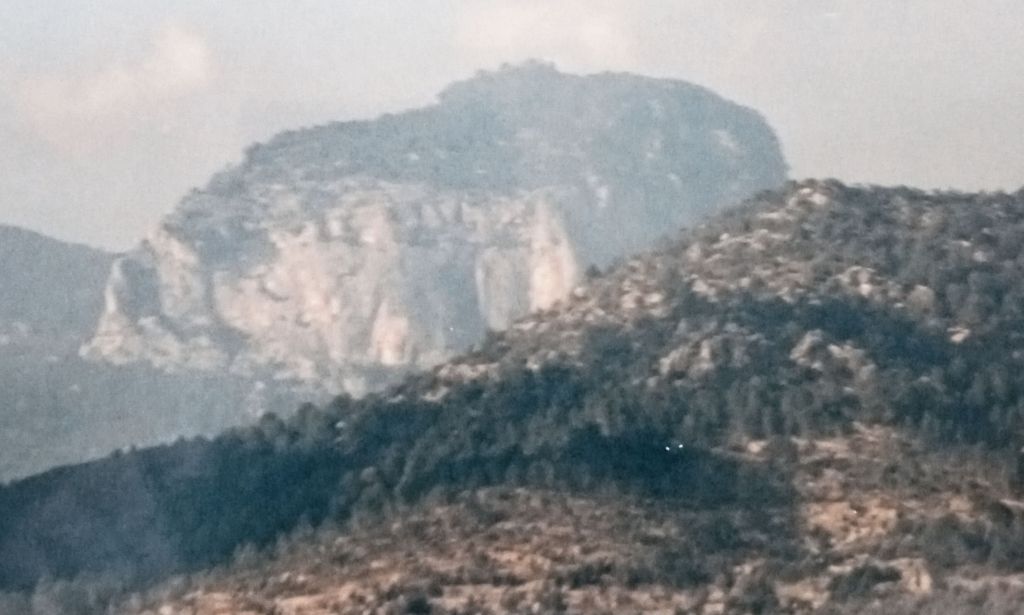
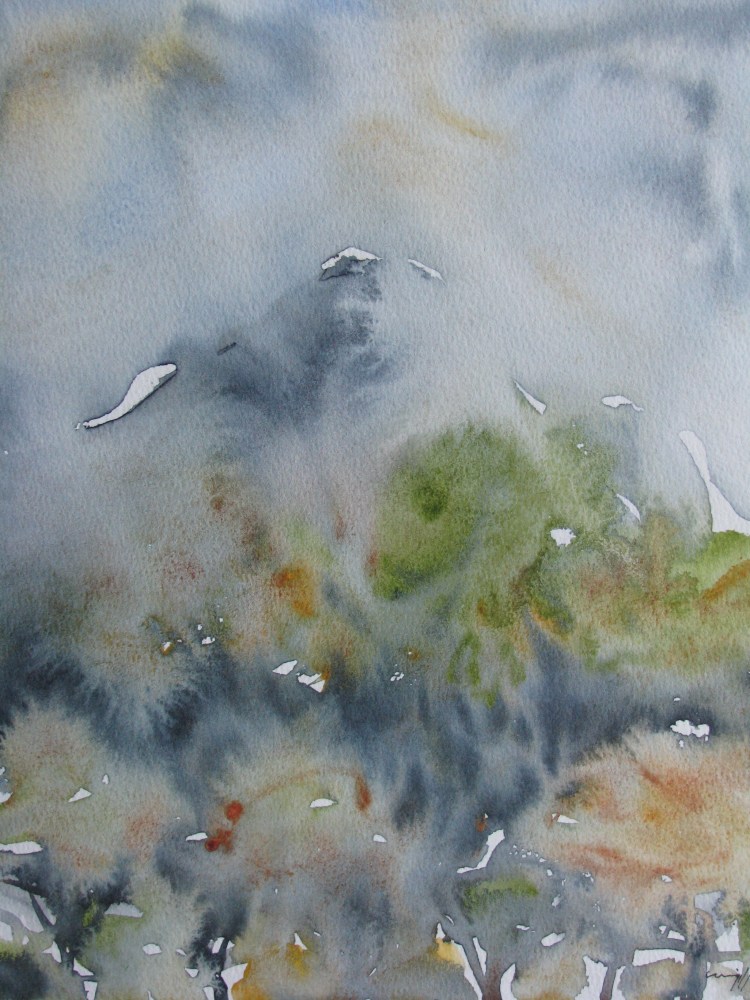
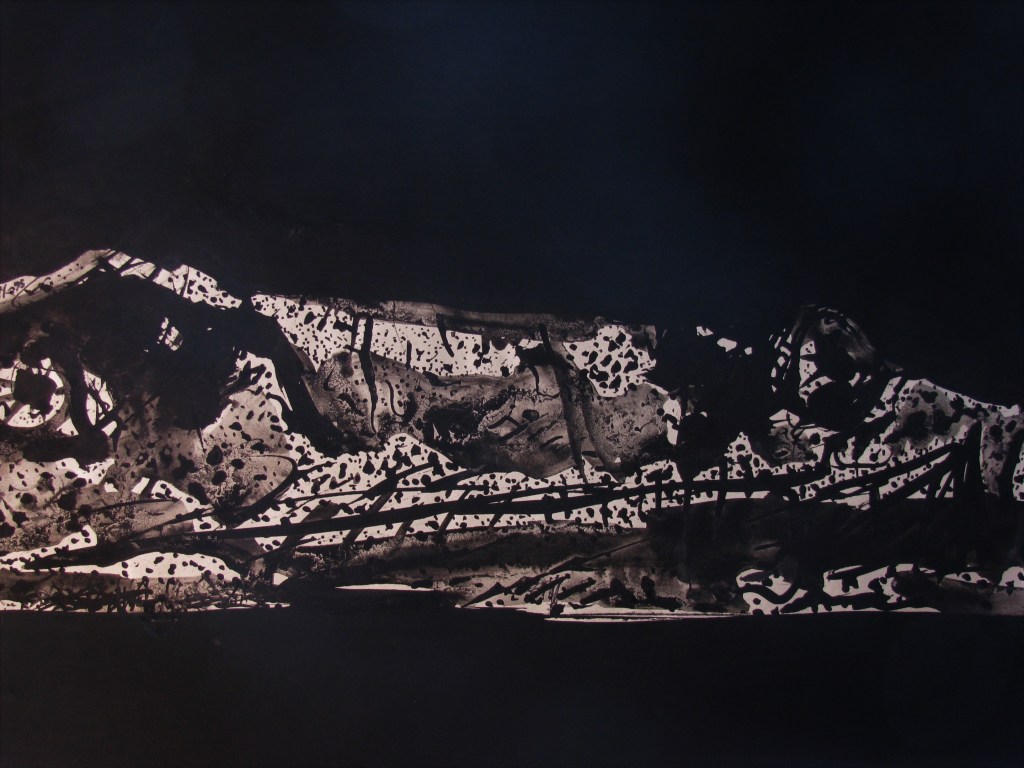
‘I went back for close encounters, between, around, and up in the extreme heat and glare of high summer. It was in those conditions that the thinking was extended again as looking into that light whole mountains disintegrated. Now being the cutting edge between past and future, you could almost feel or catch a glimpse of another dimension.’
Robert Cargill, Mallorca,1998.
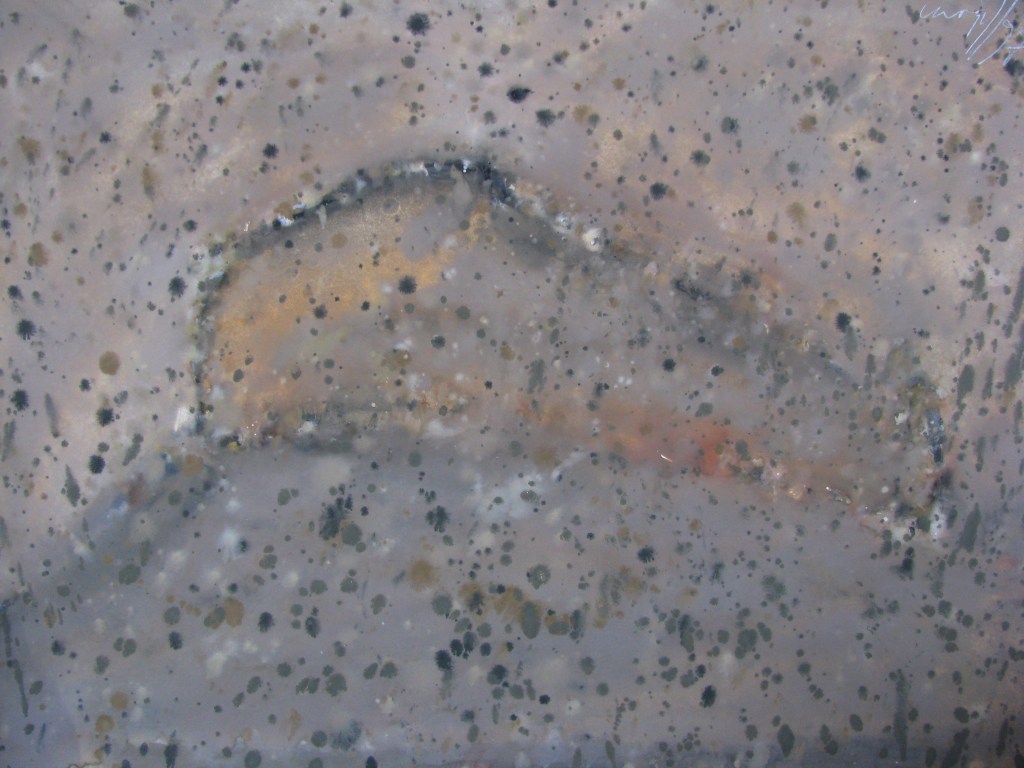
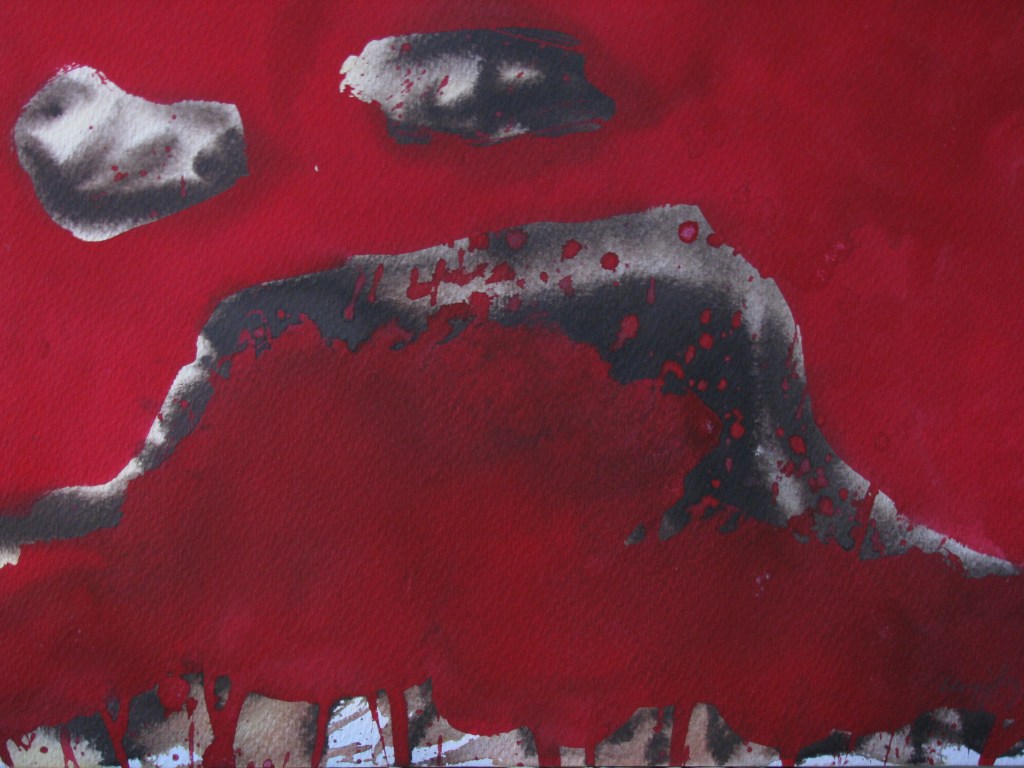
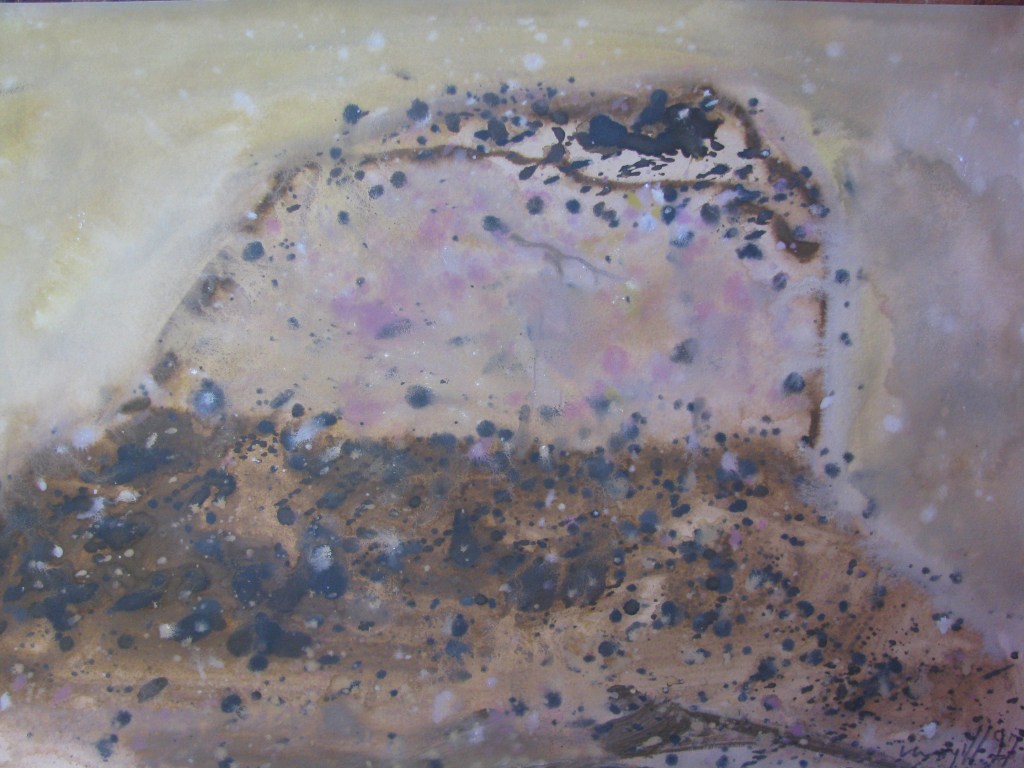
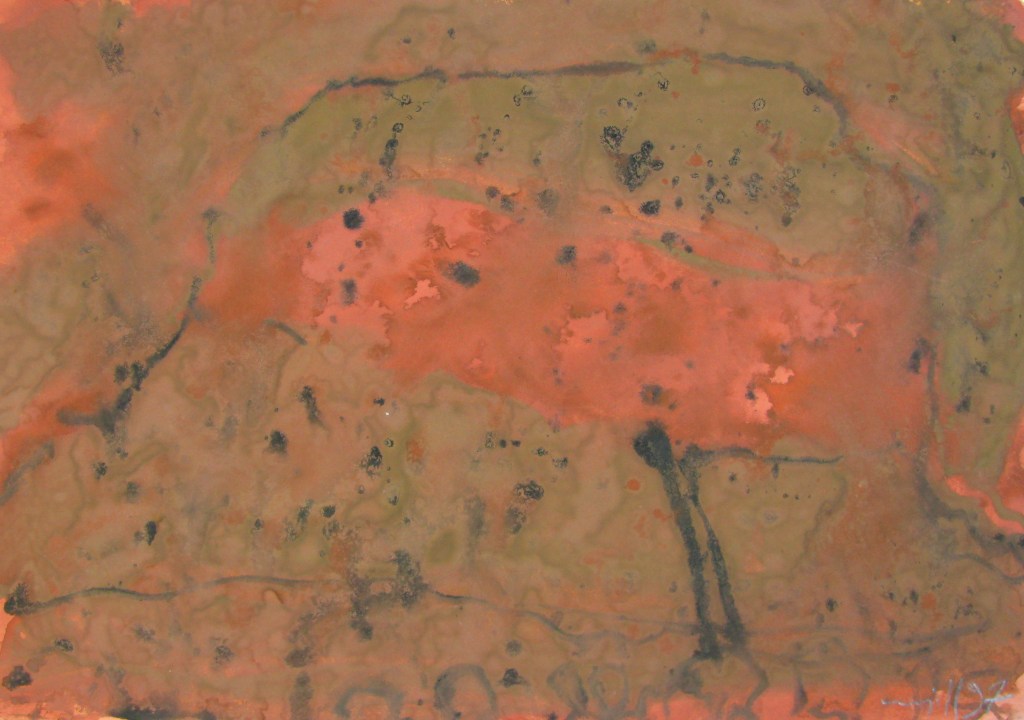
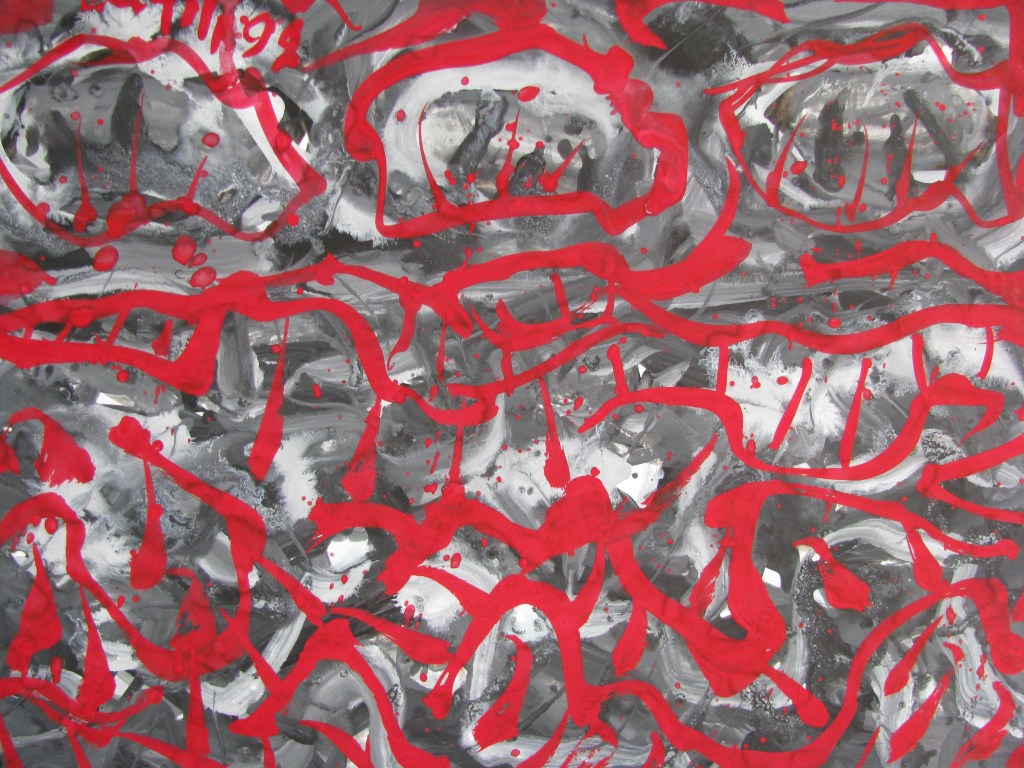
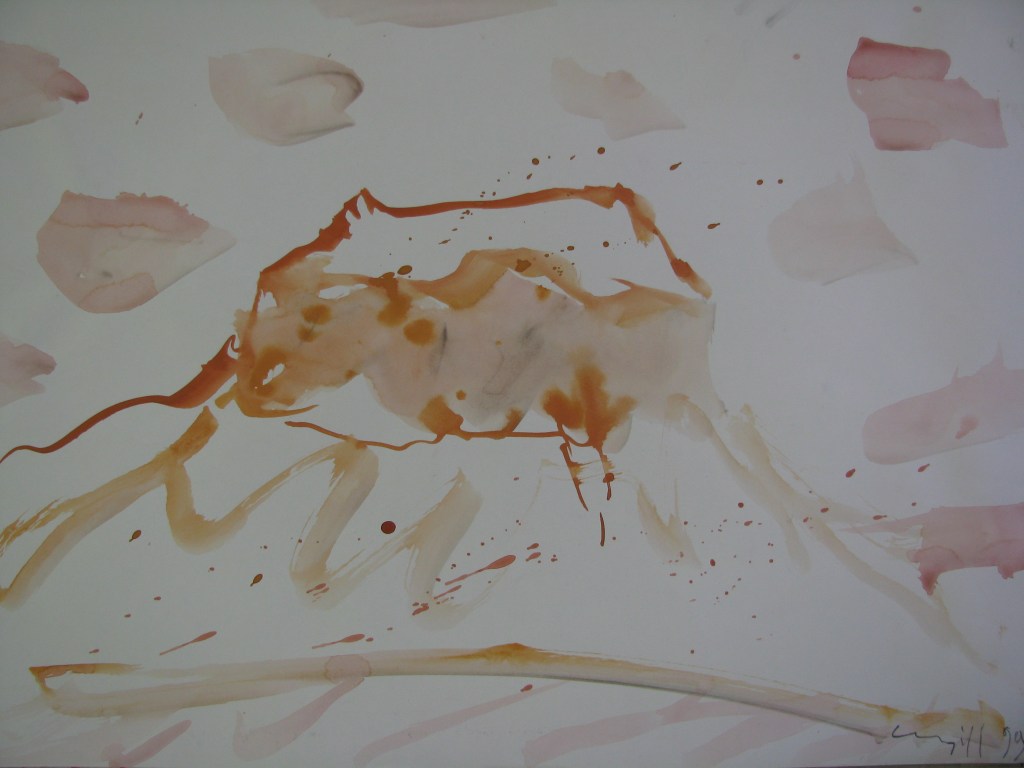
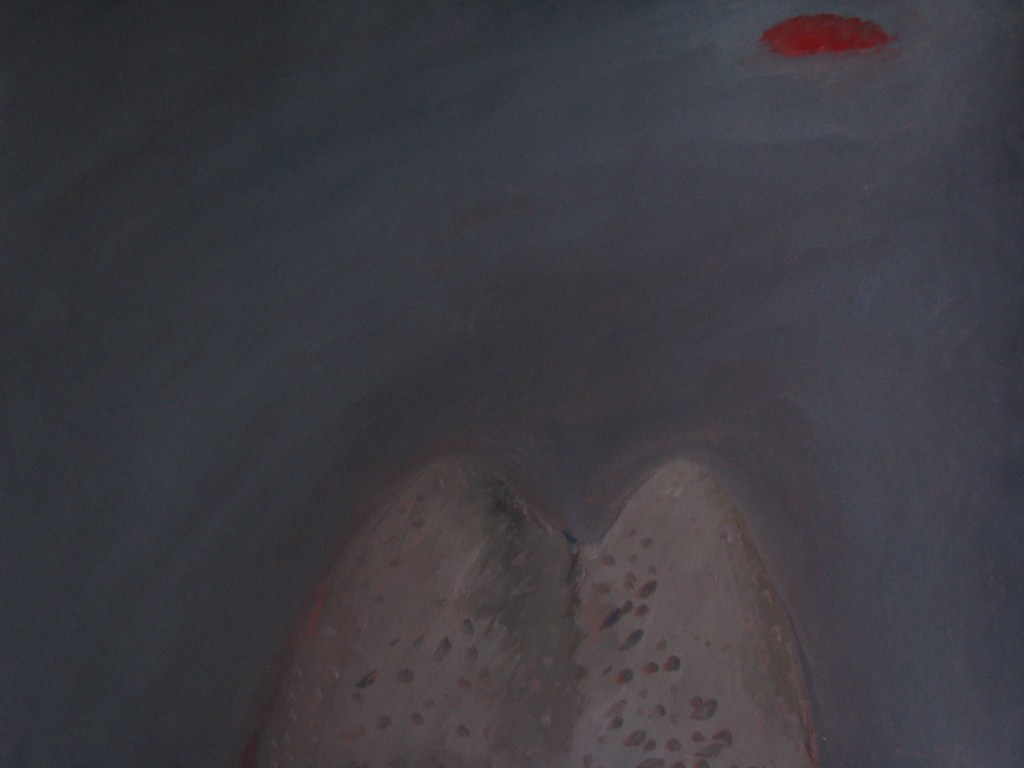
Mountain and Cloud
‘When I first came to live and work on this island I dealt with mountain images that somehow or other made me deal with ladders as people tend to use these two images to consider how high they think they are regarding their position in the way of things. ‘
Robert Cargill, 1998.
Ladders
‘The local ladders are triangular and have a projecting arm or horn at the top and depending on their construction can take on almost human or animal characteristics.’
Robert Cargill, 1998.
Bird Dancers
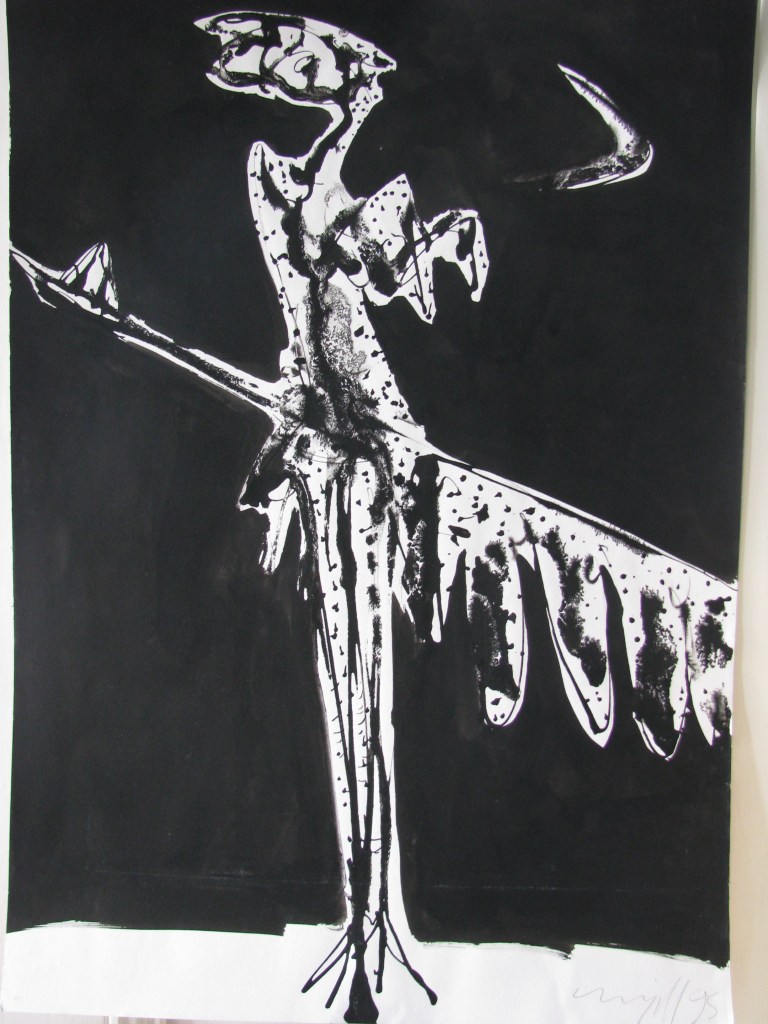
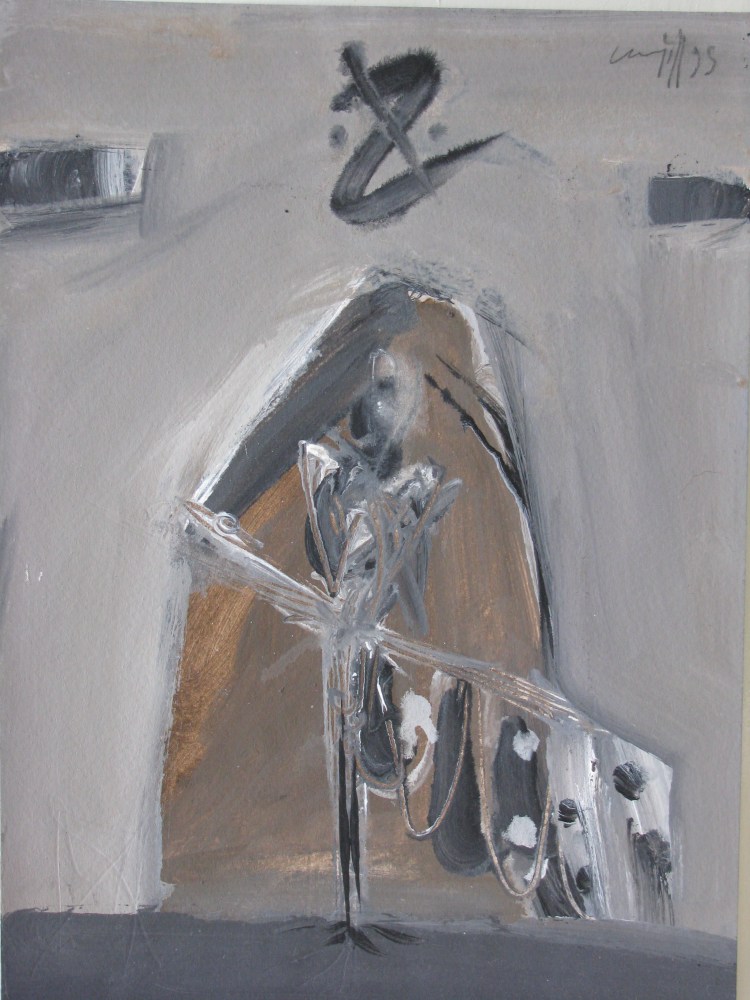
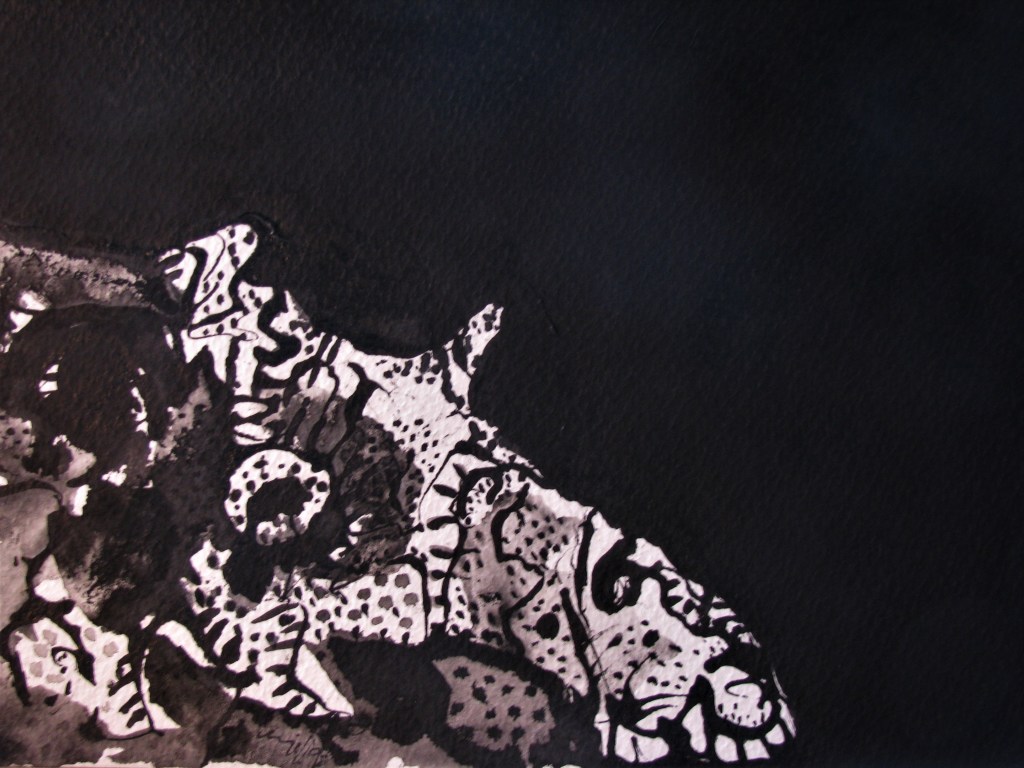
‘An annual ancient ritual influenced the series of bird dancers, as the two dancers dressed in the costume of birds, look like being in a state of metamorphosis, half human, half bird.’
Robert Cargill, 1998.
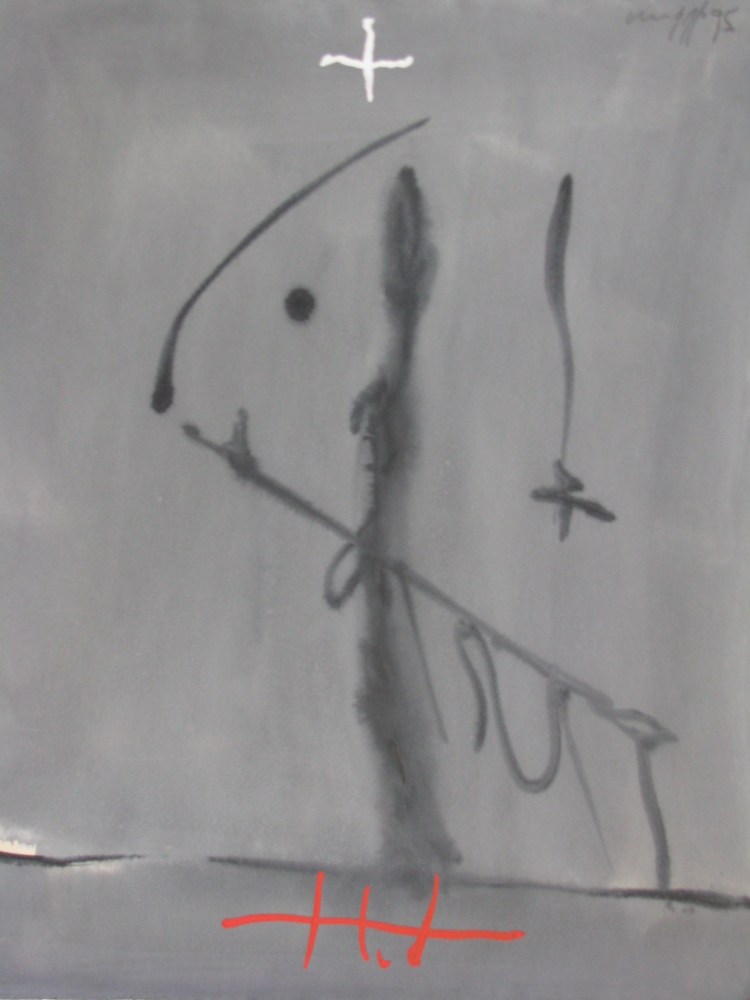
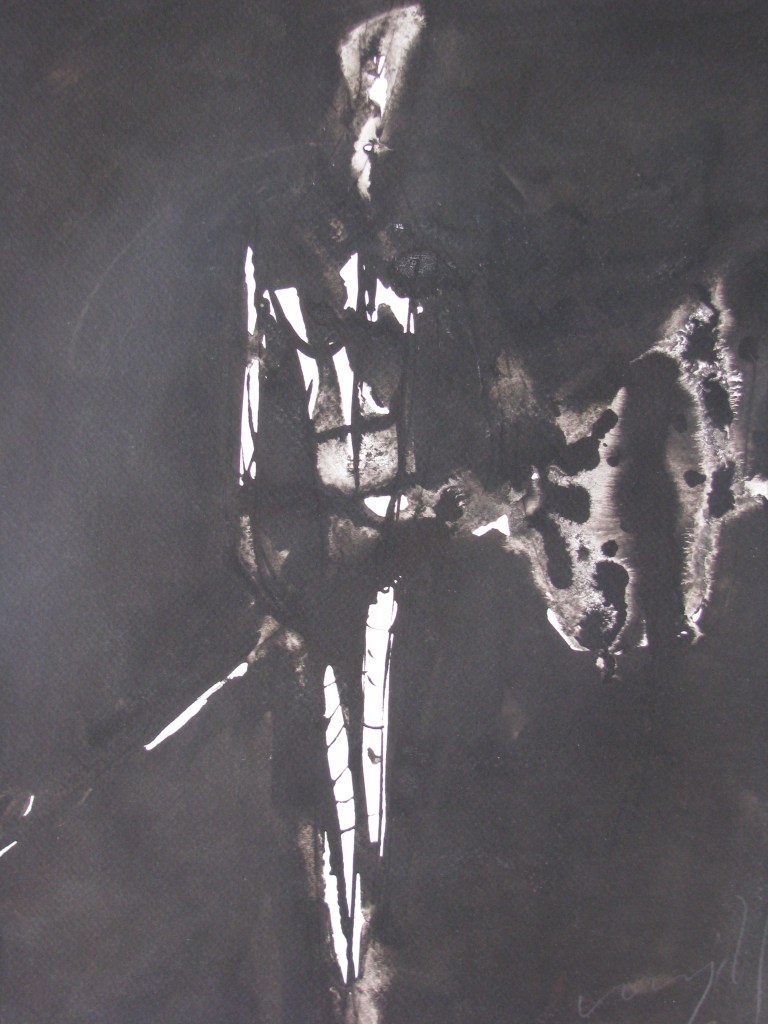
The ancient ritual referred to above is the dance of Les Aguiles – the eagles – led by Sant Joan de Pelós (the Baptist) which takes place each year in Pollença at Corpus Christi.
‘….metamorphosis..nature also has a way of carving out this state on the cliffs of Formentor and Torrent de Pareis.’
‘Digging Up Scotland’ appears in ‘Whereabouts’ by Alastair Reid, published by White Pine Press. It was also published by Edinburgh Book Festival Editions, and in the New Yorker in 1997.
Copyright of the artist’s archive © 2026.
 Robert Cargill